15 Street Photography Tips for Beginners (That Tutorials Leave Out)
The first time I went out with a camera to photograph the street, I thought I had prepared for the hard part. I had read about the exposure triangle. I had bookmarked tutorials. I had my Canon T2i in my bag, the one I had originally bought to film skateboarding in the early 2010s. I walked out of my apartment, turned the corner, and realized every single thing I had practiced indoors was useless. The light was moving. A guy on a bike crossed the frame before I could change an aperture. I took a photo. It was out of focus. I lowered the camera. Nobody had died. But something small inside me had.
Most street photography tips for beginners are about settings. Aperture priority vs manual. The right focal length. How to spot good light. These are the easy problems. The hard ones, the ones nobody tells you, are about nerves, expectations, and what happens after you come home with a card full of files. I'm Cesar. I'm a product manager by day and a photographer on weekends. This is the list of fifteen things I wish someone had handed me before my first real street walk.
Before You Leave the House
1. Going full manual on day one is a mistake you'll correct anyway.
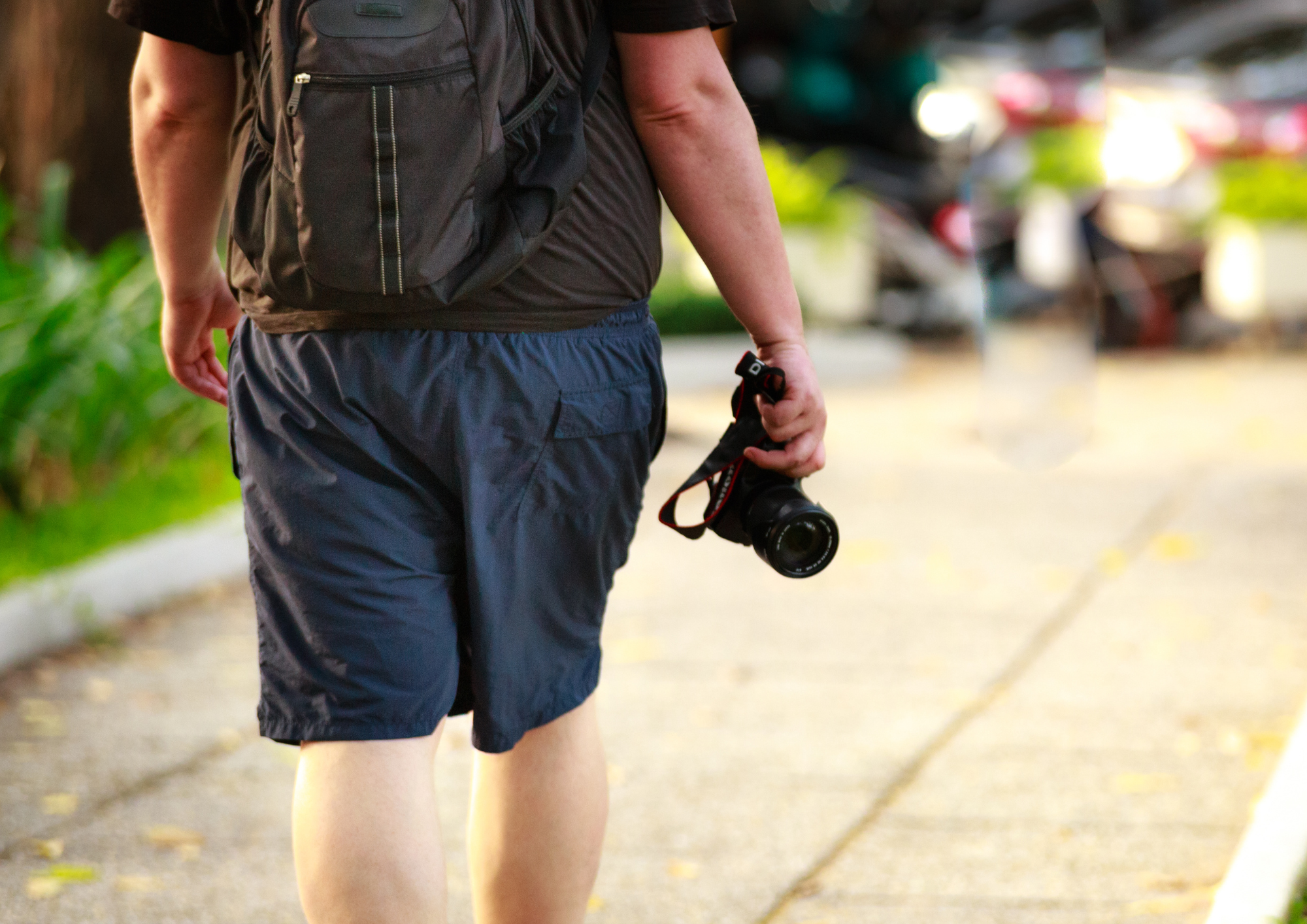
I walked out with the dial on M because I had read that real photographers used manual mode. Within ten steps, I couldn't adjust a single setting fast enough to keep up with the changing light. Theory on the couch is not the same as a dial under your thumb on a sidewalk. Start in aperture priority. Graduate to manual when your hands are faster than your brain.
2. Saving only JPEGs is a lesson you learn later, usually the hard way.
Every file from my first walk was a JPEG. At the time, I thought RAW was for professionals, and I was very confident I was not one. What I didn't know is that a JPEG is a decision the camera made for me, and in mixed street light it often decided wrong. Set the camera to RAW and JPEG for now. Your future self will thank you when you try to rescue a window reflection that the JPEG crushed to black.
3. The real problem isn't your gear. It's your nerves.
This is the one nobody warns you about. Most new street photographers don't get stuck because of the camera. They get stuck because lifting a camera toward another human feels like an act of confrontation the first few times. It fades, but not through a pep talk. Walk with the camera already in your hand, already at eye level, already capturing benign things: signs, puddles, shadows. By the time a person walks into your frame, the camera is already part of the walk. And if you get stopped, I've talked through the nine mistakes I've made in that exact moment in a separate video on confrontation.
What Actually Happens on the Walk
4. Your first walk's photos are mostly trash. That's the point.
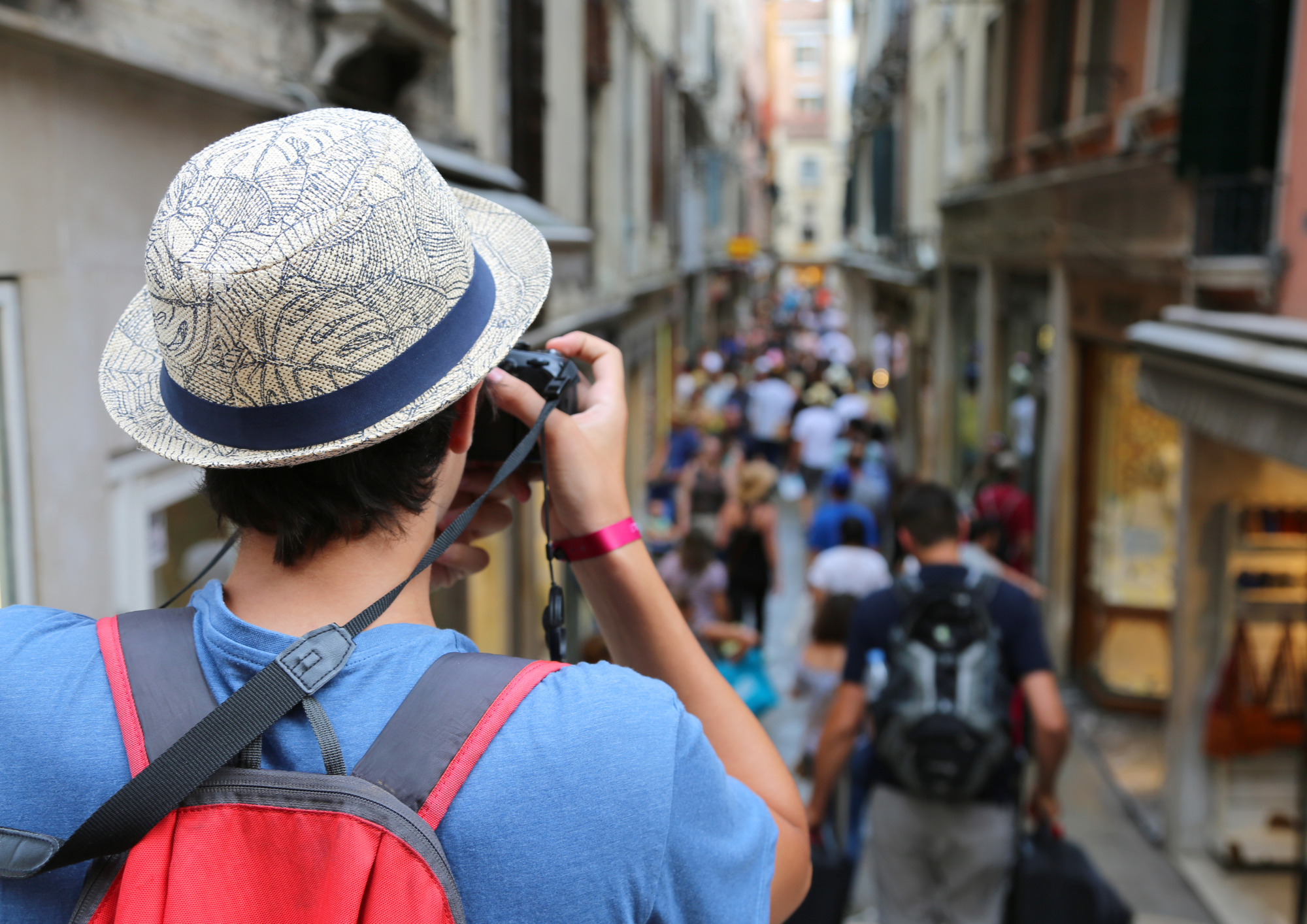
Every photo from my first real street walk is bad. Not "bad but charming." Bad. If I had known that was the expected outcome, I would have enjoyed the walk more instead of scrolling the back of the camera between every frame, hoping something had miraculously worked. The first walk is not a portfolio event. It's a calibration.
5. You will take way too many photos, and it's a trap.
I thought volume was a sign of commitment. It's really a sign of uncertainty. When you don't trust any single frame, you take ten of the same scene hoping one of them works. Taking fewer photos is a skill, not a restriction, and it arrives later.
6. Nobody cares that you have a camera. Almost nobody.
The fear that everyone on the street is watching you is mostly a story your nervous system is telling you. Most people are on their phone. Some people glance. A few will ask. Almost nobody reacts the way you're imagining before you leave the house.
7. Light is the subject. The subject is the excuse.
Early on, I chased subjects. Interesting person, interesting sign, interesting dog. The photos were flat because the light was flat. Photographers I admired were tracking light first and waiting for a subject to walk into it. Find a patch of good light. Stand near it. Be patient. Something will happen there.
8. Walking fast is how you miss everything.
My first walk was a march. Movement felt like progress. But the photos that matter tend to show up when you stop, lean on something, and watch a corner for five minutes. Slow is not lazy. Slow is when the scene reveals itself.
9. You don't need a 35mm to be a street photographer.
The internet will tell you there is a correct focal length. There isn't. Use what's on the camera. If the only lens you own is a kit zoom, that is a fine lens for learning to see. The focal length debate is something to enjoy later, not a gate to walk through first. If you're still on the fence about which camera to pick up for this, I covered five cameras I'd recommend to shy or introverted photographers separately.
What Nobody Tells You About Expectations
10. Your favorite photo won't be the one you planned.
You will leave the house with a scene in your head. Golden light on a crosswalk, maybe. You'll spend an hour trying to make that photo. The keeper will be something you caught in the twenty seconds between planned photos: a reflection, an overheard posture, a kid pointing at a pigeon. Let the planned photo go as soon as the unplanned one shows up.
11. The back of the camera lies to you.
Every photo looks better on a three-inch screen in bright sun than it does on your laptop that night. Try not to fall in love on the walk. Try not to fall out of love either. Wait for the full-size view before you decide what worked.
12. One keeper per walk is a good walk.
If you come home with one photo you genuinely like out of way too many, that is a successful walk. If you come home with three, that is a great walk. Five is a month, not an afternoon. Recalibrate what "worth it" looks like before you go out again.
After the Walk: Where the Real Work Starts
13. Editing before you know what editing is will hurt you.
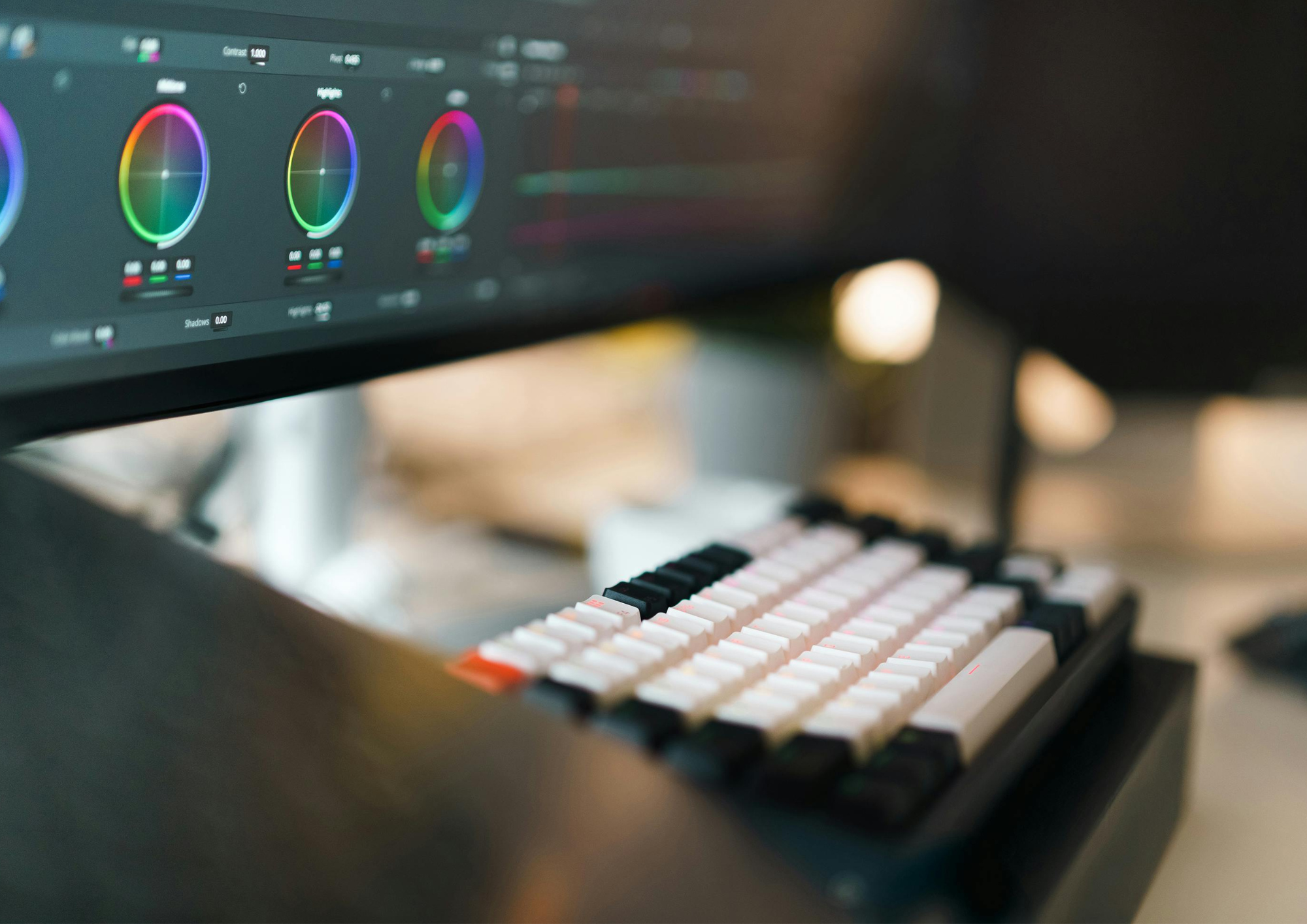
I edited my first photos without knowing what any of the sliders actually did. I dragged shadows around until things looked "interesting" and called it a style. It was not a style. It was a panic. Learn what one slider does before touching the next one. Exposure first. Then contrast. Then white balance. Everything else can wait.
14. You will copy other photographers, and that's fine.
Your first year, your photos will look like whoever you were watching that week. That's not a lack of originality. That's how taste forms. Copy openly, credit in your head, and notice which borrowed ideas stop feeling borrowed. Those are the beginnings of your own eye. I went deeper on this in a separate video about how your style is already inside you.
15. The walk is not the hard part. What happens after is.
Nobody tells you that the real work starts when you sit down with way too many files and try to figure out which ones are actually good. Culling takes practice. So does sitting with photos you thought were great and admitting they aren't. Going out again the weekend after a bad walk is its own small hurdle. The camera part, honestly, is the easy part
Street Photography Tips for Beginners: The Long View
The thing that surprised me most about starting is that almost none of the hard parts were technical. The exposure triangle was not what made my first walk rough. What made it rough was expecting the first walk to produce something, and being unprepared for how much of this hobby happens after you put the camera down: in the cull, in the edit, in the decision to go again next weekend even though last weekend didn't work.
If I could hand my earlier self one thing, it would be the reminder to treat the first hundred walks as practice, not performance. Most beginner street photography advice treats the first walk like an audition. It isn't. The second walk is less scary than the first. Somewhere around walk ten, you stop rehearsing for other people's reactions. By the time you've done thirty, you realize you have a style without ever having set out to build one. That only happens because of the walks that went nowhere, and the weekends you almost didn't go out. The boring middle is where most of the learning actually lives.
If you want a broader list, I covered thirty things nobody teaches you about photography in general, not just the first street walk. And if this felt honest, my monthly letter, Still Shooting, goes deeper into what happens after the walk: when you have too many photos and no idea which ones to keep. It's one letter a month, free, and it's the closest thing I have to a conversation with you about all of this.
