Full Frame vs APS-C: I Almost Sold My A6700 to Upgrade. Here's What Stopped Me.
If you shoot APS-C, you already know the voice. You open YouTube, everyone is on full frame, and a little whisper tells you the reason your photos are not good enough is the sensor. I have had that voice in my head for years. A few days ago I almost obeyed it. I nearly sold my Sony a6700, the camera I use for almost everything, to buy a full frame body I was not even sure I could afford. This is the honest version of the full frame vs APS-C question, written after I talked myself off the ledge, and it has less to do with sensors than you would think.
Let me be clear up front: I am happy with what my a6700 produces, and I have been since the day I got it. I was happy with the a6500 before it too. So the question was never really about the images. It was about a feeling. If you have ever stood in a shopping cart at 1am wondering whether full frame would finally make you a real photographer, this one is for you.
The upgrade question I have asked since my first camera
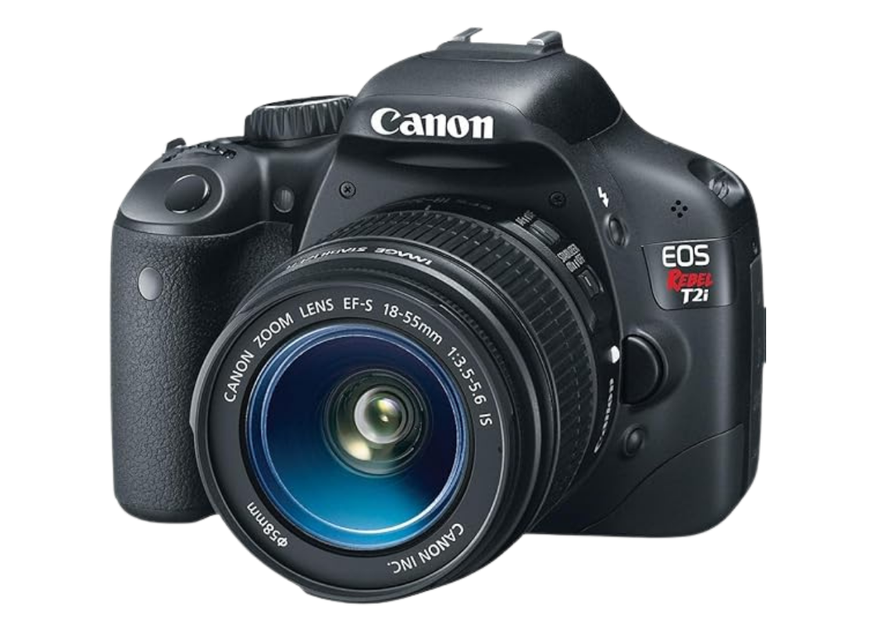
My first camera was a Canon T2i, about fourteen years ago. Almost as soon as I learned what a sensor was, I started wondering when I would move up to full frame. Every single time I have bought a camera since then, the same question has come back around: full frame or APS-C, yes or no.
The reasons I stayed on APS-C changed over the years, but they were always practical. Smaller bodies. Cheaper bodies. Cheaper lenses, and more of them. That has been enough to keep me here through several cameras. But the doubt kept returning, and it got louder recently when I picked up a Fujifilm X100VI. Suddenly I owned two APS-C cameras, and the X100VI has a 40 megapixel sensor that makes it feel anything but entry level. So I started thinking: do I even need to keep the a6700? Or would I be better off covering more ground with one APS-C camera and one full frame?
That is the thought I actually ran the numbers on. Here is where it led.
Full frame vs APS-C: what actually changes, and what does not
When people talk about moving to full frame, the first thing that comes up is low light. And yes, full frame is better in low light. The real question is: how much better?
The low-light difference is real, and smaller than you think
In practical terms, a full frame sensor buys you roughly one stop over APS-C at the same framing. One stop. That is the difference between ISO 3200 and ISO 6400. It is real, it is measurable, and it is genuinely useful in a dark church or a night event. But there are a lot of ifs stacked around it.
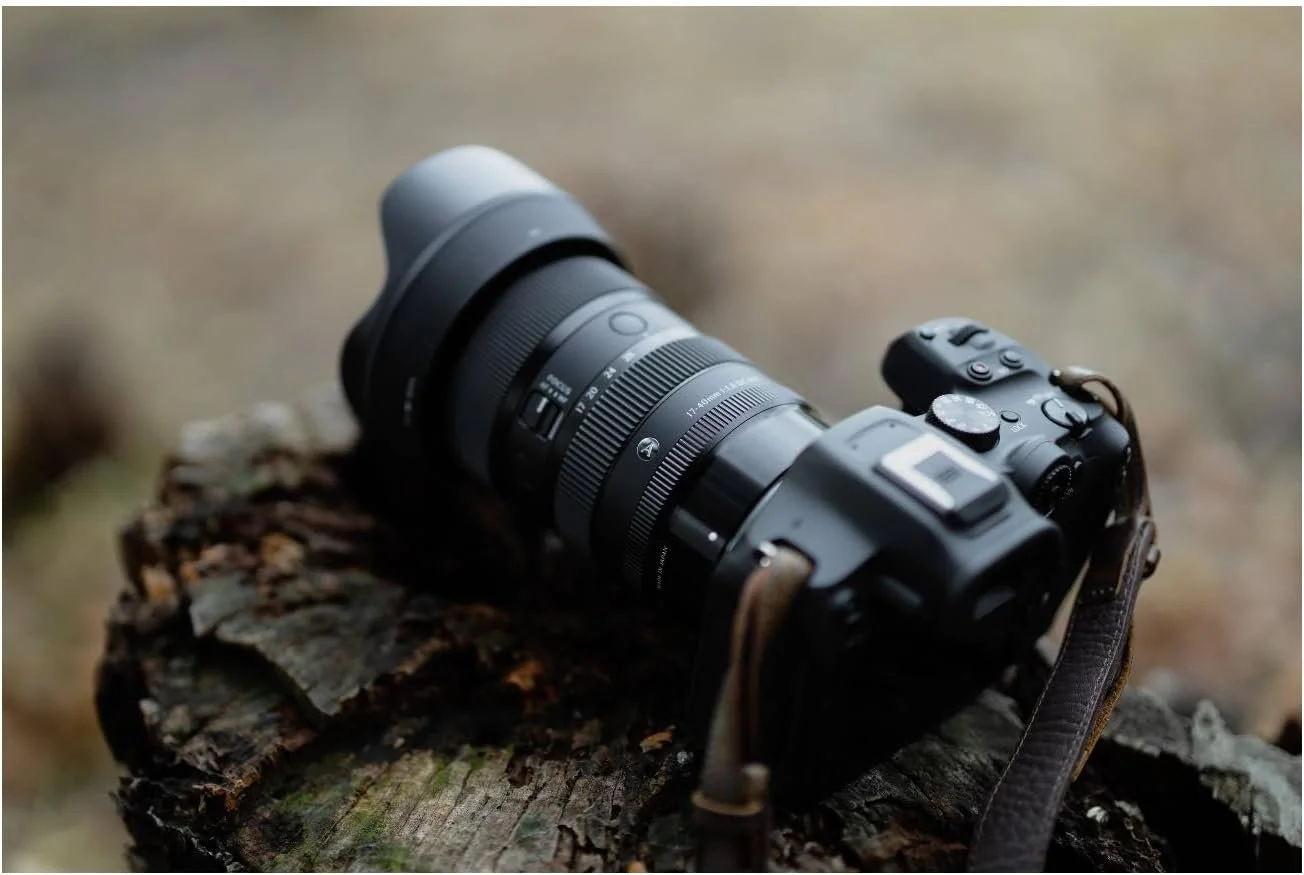
The biggest if is your lens. If you put a fast enough lens on your APS-C camera, most of that gap closes. My Sigma 17-40mm f1.8 barely ever leaves my a6700, and at f1.8 it gathers so much light that low-light shooting stops being the problem I imagined. That lens is a beast. If you are on Sony APS-C and low light worries you, a fast prime or a fast zoom does more for you than a bigger sensor, for a fraction of the money. You can find the Sigma 17-40mm f/1.8 here, and honestly, once it is on your camera it tends to stay there.
The question nobody asks: when do you actually need it?
Here is the part that made me stop and open my eyes. Not "how much better is full frame in low light," but "when do I actually need that low-light performance?"
Most of the time, I am shooting in controlled light, like the light in front of me right now while I record. That is not a low-light problem. When I am out on the street, I shoot during the day. And on the rare night when I do shoot in the dark, my a6700 has held up fine, even pushed to ISO 20,000. Were those files pristine? No. Were they usable and honest? Yes.
So if I am critical about my own shooting, and I would ask you to be critical about yours, I am not feeling the pain of low light nearly as much as I tell myself I am. The pain is mostly projection. I imagine a future situation where I might feel it, and then I want to buy a full frame camera now so I never have to. That is not a photography decision. That is anxiety with a shopping cart attached.
If you are weighing full frame vs APS-C on low light alone, ask yourself one honest thing: when did your current camera actually fail you in the dark? Not in theory. In a real photo you cared about.
Where the itch really comes from
This is where it gets interesting, because the itch to upgrade is not really about specs. And having the itch does not make you wrong. It makes you human.
The cleanest name for it is FOMO. You go on YouTube, everyone has a full frame camera, or everyone is nudging you toward one, and you stop thinking about what you already have. Instead you fixate on the gap between what you own and what full frame promises, without ever asking whether you need that gap closed at all.
And it does not stop when you buy the camera. This is the trap. You do not get the full frame body and suddenly think, that is it, now I just go out and shoot. In fact, a lot of us are not even shooting with the camera we already own. The reason we are not shooting is not that our gear is not sophisticated enough. It is that we are finding reasons not to go out, and "I need better gear first" is the most respectable excuse in photography. I have written before about the gap between the gear we buy and the gear we keep, in 5 Photography Gear Regrets and 5 Purchases You Will Never Sell, and the pattern is always the same: the purchase that fixes a feeling never fixes it for long.
The upgrade that never ends
Here is the thought that actually stopped me, the one that made me close the tab.
I realized that the day I buy a full frame camera, say a Sony a7 V, I will start looking at the next one up. An a7R, or whatever the newest, sharpest, most expensive body is at that moment. And after that, the logic does not end until I am staring at cinema cameras and cinema lenses, because full frame is not one purchase, it is a doorway into a whole new world of glass to buy.
So it never ends. That is the sentence I have to repeat to myself every time I ask "should I move from here to there, yes or no." The wanting regenerates. Whatever camera I buy becomes normal within a month, and the itch simply moves one rung up the ladder. If the goal was to end the wanting, then a new camera is the one thing that cannot deliver it, because the wanting was never about the camera.
The one camera a full frame body cannot replace
There is one more thing a full frame camera cannot do for me, and if you are introverted or you shoot on the street, it might matter to you more than any sensor spec.
It cannot be small and quiet.
The camera you want most on the street is something that does not announce itself. Small, capable, easy to raise without turning heads. A big full frame body with a fast zoom is the opposite of that. It is heavy, it is obvious, and it makes you the most visible person on the block, which is exactly the wrong feeling if you already find it hard to photograph strangers in public.
This is why I keep reaching for the X100VI, and honestly why I still miss the even smaller Ricoh GR I used to carry. Sometimes even the Fujifilm X100VI feels a touch too present. There are other ways to stay invisible: a point and shoot, which sacrifices some image quality but is having a real moment right now, or a cheap film camera that makes everyone assume you are just a tourist. None of those roads lead to a big full frame body. You can absolutely do street photography with full frame, and plenty of people do, but do not tell yourself the bigger camera will make that part easier. For most of us who are a little shy with the camera up, it makes it harder. I dug into the small-camera side of this in my Sony A6700 travel setup, and the theme is the same: the least conspicuous kit is usually the one that actually gets used.
The question that stopped me buying full frame
So after all the numbers and all the honesty, here is the single rule I walked away with, and it is the one I would give you.
Before you buy any gear, name the exact job you need it to do.
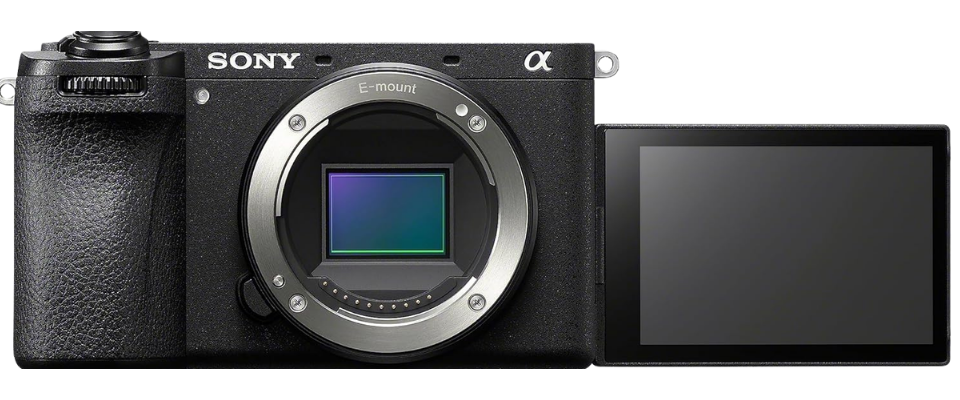
For me the job is simple: I want a camera that shoots clean 4K with nice light, that is comfortable to carry, and that does not make me feel exposed on the street. Does the Sony a6700 do all of that? Yes, completely. Could a full frame camera also do it? Sure. But then I would be paying a lot of money, and selling a kit I love, for a function I already have. That is overpaying for a capability I can get from a cheaper camera I already own.
If you can name a real job that only full frame can do, a paid client who needs the low-light margin, a genre that lives at the edge of darkness, then go for it with a clear conscience. That is a real reason. But if you cannot name the job, if the honest answer is "everyone else has one" or "it would feel more professional," then it is the itch talking, not a need.
So I kept the a6700. Not never on full frame. Just not now, not at this price, and not by selling a camera that already does everything I ask of it. The full frame vs APS-C debate turned out to be the wrong debate. The right question was never which sensor is better. It was whether I could tell the difference between wanting a tool and wanting to feel like I had arrived. No camera sells the second one.
If this is the kind of honest, unhurried take on photography you want more of, I write one letter a month called Still Shooting. No hype, just what is actually working and what is not. You can read it at stillshooting.beehiiv.com.
