Street Photography Privacy in 2026: The Real Risk Moved From the Street to the Upload Button
For years, the scariest part of street photography was the street itself. Raising the camera. That half-second where a stranger clocks you and you have to decide whether to smile, nod, or just keep walking. If you have ever stood on a busy sidewalk with a good frame in front of you and let it pass because of that feeling, you already understand the old fear.
But street photography privacy has quietly become a different problem, and the part that should actually give you pause is not the moment you press the shutter. It is the moment you post. I want to walk through what changed, and how I personally handle it now, both when I take a photo and when I decide to publish it. None of this is meant to scare you off the street. If anything, it is meant to keep you on it, with a clearer conscience.
The old fear was social, and it always passed
The classic anxiety of photographing strangers is a people problem, not a technology problem. If you are an introvert like me, the hard part was the confrontation itself. You lift the camera, someone notices, and you do not know whether you are about to get a nod, a problem, or a question about the photo. That uncertainty is enough to keep a shy photographer from ever pressing the shutter.
But here is the thing about that fear: it lives in the moment, and the moment passes. Maybe they frown, maybe they never register you at all, and either way you walk to the next block and your pulse settles. I have written before about the sharper version of this, where someone actually stops you. If that is the part that keeps you home, start there: Read: What to Say When You're Confronted During Street Photography.
And for a long time, that really was the whole problem. If you could take your photos without being confronted, you had your shot. You could edit it, post it, and that was the end of it. There was not much more to think about.
What actually changed: the photo stops passing
That is no longer where the story ends. What changed, and I want to be specific that this is the reality in 2026, is that the process no longer stops when you press the shutter. When you publish a photo, there are now tools powered by AI that can essentially reverse-engineer it and surface the real identity of the person in the frame.
If you are into tech, you already know you could do a reverse image search on Google and get something roughly similar. But that was the rustic version. What exists now is far more sophisticated, and it can get to a specific name. A candid frame of someone you have never met can become a permanent, searchable link to a real person who never agreed to be indexed.
And that is scary on both sides. It is scary for the person who was photographed, obviously. But it is also scary for you as the photographer, because if you are doing street photography for the sake of art, I am going to assume you are not doing it to harm anyone. That is exactly the risk. The fear has not disappeared, it has spread. It used to be personal, about being seen on the street. Now it also lives in what can happen afterward, if someone really wants to identify the people in your photos. Which raises an uncomfortable question I genuinely do not have a clean answer to: is art even something you should be tampering with to prevent that?
The camera is disappearing, and "were you noticed" stops working as a test
There is a second shift happening at the same time, and it quietly breaks the way most of us reason about street photography consent.
While the photos themselves are getting more traceable, the cameras are getting harder to see. You have your full-frame cameras, your more compact ones like the Fujifilm X100VI, and your phone, which used to count as the small, discreet option. But now there are things that do not even look like cameras and still act like them. Glasses are the obvious example. The Ray-Ban Meta line is the famous one, and it is far from the only one.
For years, the honest signal to a stranger that a photo was being taken was the lens pointed at them. That signal is fading. Which means your ethics can no longer live only in whether or not you were noticed, because being noticed is becoming optional. The honest place to anchor your conscience is downstream, in what you actually choose to do with the file after you have it. That part is still fully under your control.
The photo press is already adapting
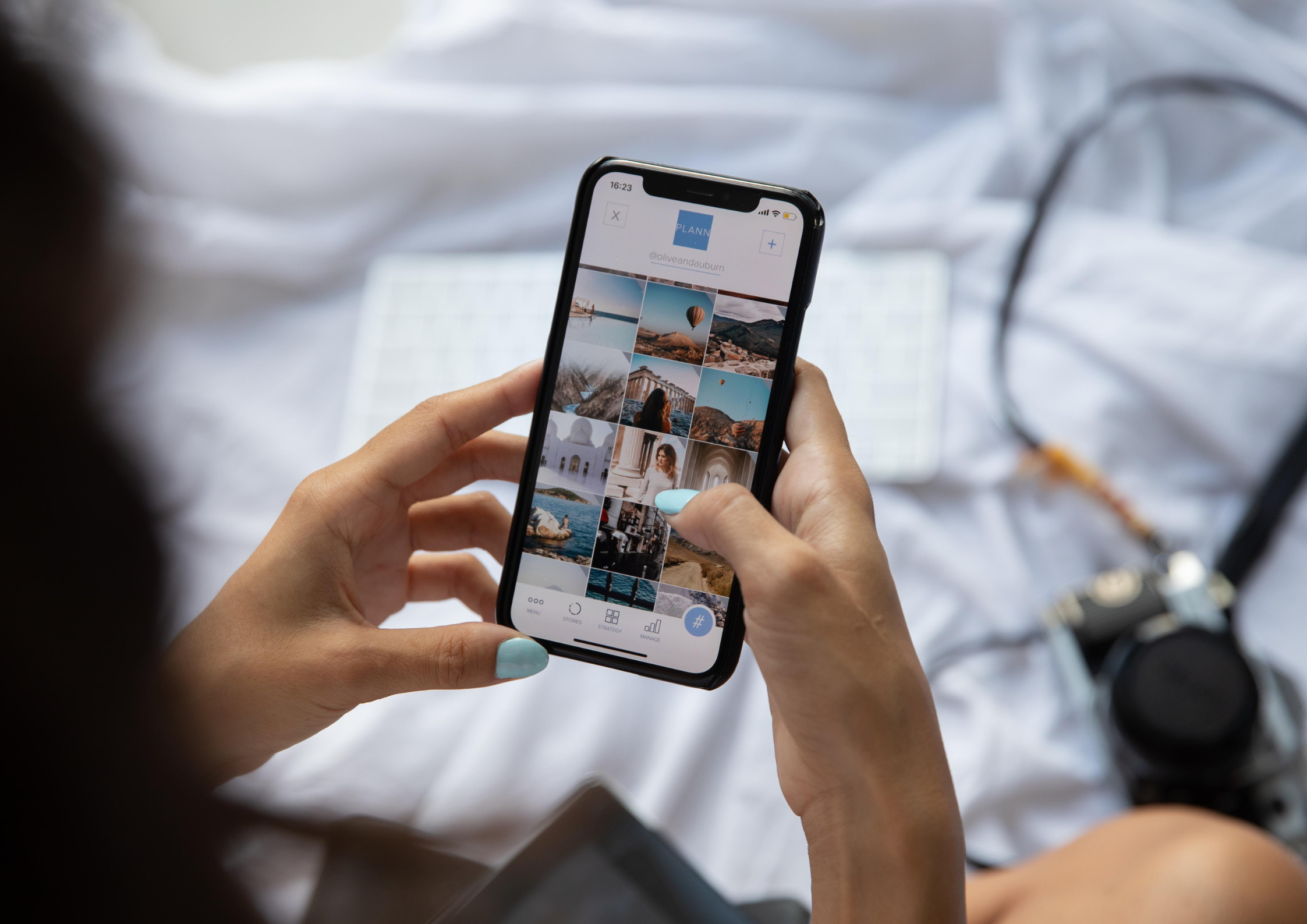
If you want a sign that this is a real shift and not just my own worry, look at how professional work is changing. There is good writing on this, including a Fstoppers piece asking whether street photography is facing a legal and ethical collapse, and one line has stuck with me: newer photojournalism increasingly describes a crowd "through scale rather than expression."
You start to see it once it is pointed out. Faces sit less central. The single sharp, identifiable stranger carrying the entire emotional weight of the frame is becoming rarer, replaced by scale, gesture, and the shape of a crowd. The Fstoppers writer calls it "a defensive adaptation to tightening legal standards," and I think that is exactly right. It is legal caution and human respect arriving at the same composition. It matters, because it means thoughtful photographers are not quitting. They are adjusting what they publish.
Is it even legal? It depends on where you are
It is worth saying plainly: whether any of this is legal really depends on where you are in the world. Even when taking these photos is permitted for documentary purposes, the specifics change from country to country. So if you want to stay close to the law, go and check what it actually says where you live. I am not going to pretend to give you a global legal ruling, because there is not one.
But the legal question is not really the interesting one. The more useful question is quieter and more personal: forget what is technically allowed, what do you actually owe the specific person standing in your frame? That one does not have a legal answer. It has yours.
How I actually handle it, in two moments
Here is the honest version of how I deal with all of this myself, and I would genuinely love to hear how you do too, because I am often conflicted about it. I try to handle it in two moments: when I take the photo, and sometimes when I publish it.
When I shoot
At the moment of taking the photo, yes, I still have frames where faces are recognizable. But I am trying to do that less and less over time. What I lean into instead is something more macro, or the micro details where a face is not fully seen, or just silhouettes and shapes.
This is where it gets conflicting for me, because one thing I have come to dislike in street photography is photos of people's backs. It makes the image feel less real, and honestly a little sneaky. So it is a combination of approaches, and there is no clean solution, at least not one I have found. On top of that, and I have talked about this in another video, I try not to photograph people in vulnerable situations. Someone having a hard time, someone who is homeless, or kids. Those are much closer to a hard no for me.
When I publish
At the moment of publishing, there is no clear, hard solution either. What I have done in the past is actually use AI to protect people's faces. There have been cases where I posted a photo with a very recognizable face, and I used AI to change that face so it became someone who does not really exist. Thanks to how far the technology has come, it still feels okay. It is not an uncanny-valley picture, and it gave me peace of mind about what I was putting out there.
This is exactly where the line blurs between what you post as art and what could genuinely put someone at risk. Kids are the case I never wave through, and this is usually where that AI step comes in, so I can share a frame without leaving a child findable.
The tool that exposes people is the same one I use to protect them
This is the part I find genuinely strange, in a good way. The same kind of AI that makes a stranger findable is the tool I now use to protect them. Not a black bar slapped across the frame, but a change that keeps the photo working as an image while removing the identity from it. I try to avoid recognizable people while I am shooting in the first place, but on a busy street that is not always possible, so I fix it at publish instead of killing the shot on the sidewalk.
The quiet reason this suits me
I will admit the other half of why this works for me. I am an introvert, and editing the photo before I publish it is also the low-confrontation path. It lets me avoid the awkward conversation and still do right by the person in the frame. You could argue the confrontation just moves to the platform, since now you often have to disclose that a photo has AI changes. But I would still rather anonymize a face than chase someone down, and I have made peace with the fact that the ethical move and the comfortable move happen to be the same move.
The gear middle-ground, and a free cheat sheet
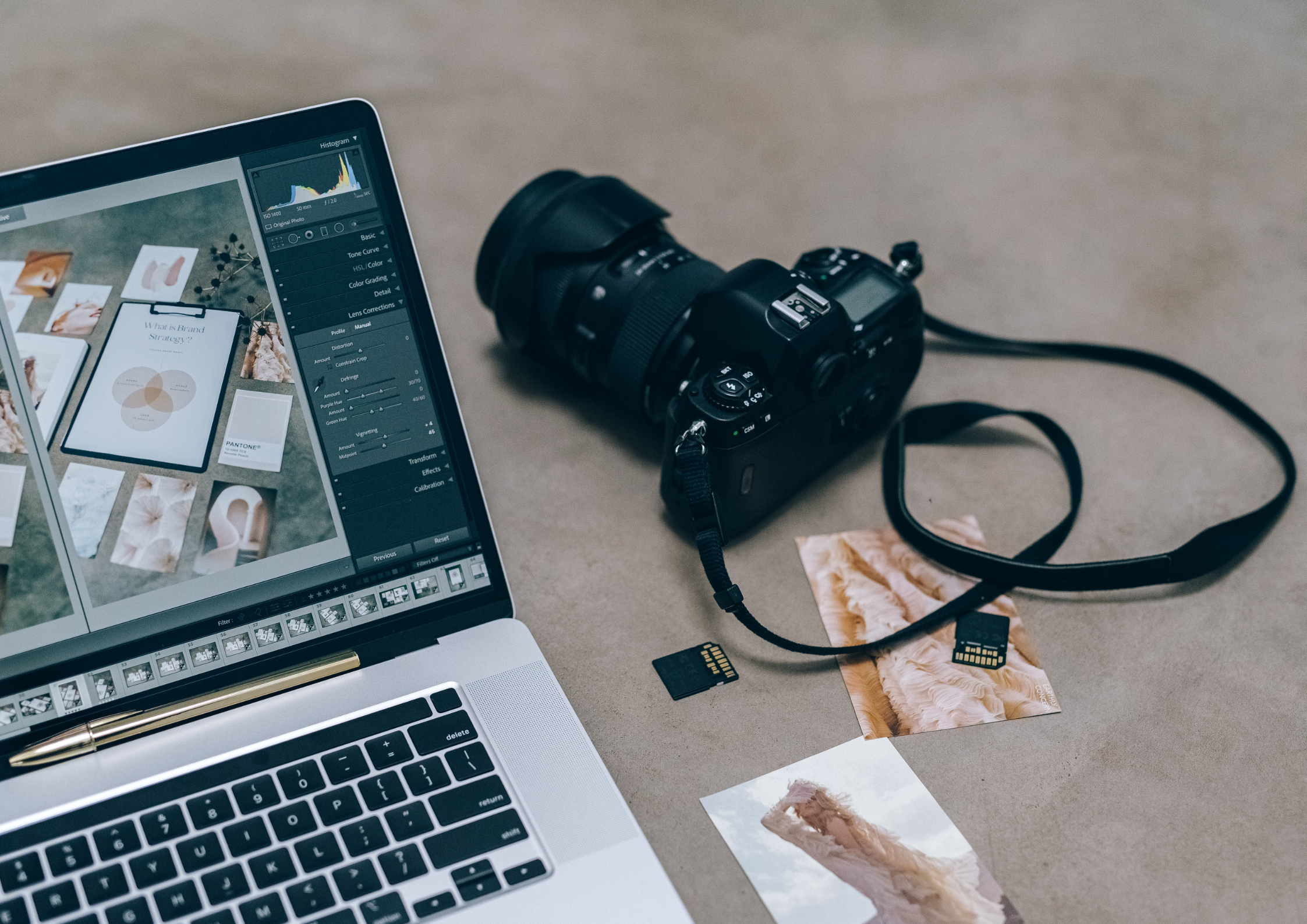
Coming back to gear for a second, I have also found a middle ground on the camera side. I still shoot with my Fujifilm X100VI on the street, and sometimes my Sony A6700. These are cameras people can clearly see, so they know I am taking photos. What I changed is the settings. I have optimized them to be a bit more stealthy on the street, so I bother people less and I am simply more comfortable, which matters a lot if you are an introvert.
I put all of those settings into a one-page cheat sheet you can download for free. It is pay-what-you-want, so just put 0 if you do not want to pay, and leave a tip only if you feel like it. It may even work beyond the X100VI, so it is worth a try: The Introvert's X100VI Setup Cheat Sheet.
A short, honest close
I do not think AI killed street photography. I think it moved the risk to a place you can actually manage. The street was never really the dangerous part. The upload is.
So shoot the way you already want to shoot. Get braver on the sidewalk if that is your struggle, and get slower and more careful at your laptop. Photograph more thoughtfully, protect the people who cannot weigh any of this, and use the same tools that expose people to protect them instead. That is the whole practice, and it lets me keep making the photos I care about without leaving a stranger to deal with the consequences of my hobby. I still do not think there is one right answer here, though, so I would genuinely like to know: where is your line?
