Sony A6700 Travel Kit: The One-Bag Setup That Doesn't Scream "Photographer"
Every piece of camera gear I travel with fits in one small sling. The bag is not even full.
That sentence took me years and five lenses to earn. This post is my complete Sony A6700 travel kit for summer trips: one camera, one lens, a way to carry it that doesn't announce me as A Photographer, and one small object that confuses everyone who spots it in the bag. I'll get to that one. It deserves the suspense.
Some context first. I'm an introvert with a full-time desk job, which means trips are most of the real camera time I get all year. I can't afford to spend that time managing gear, and I don't want to walk through a new city looking like a tripod-carrying tourist attraction. Every item below earned its place across years of trips. More importantly, a lot of items lost theirs. So instead of a list of everything you could buy, treat this as the leftovers of a long elimination process: what survived, what got cut, and the honest reasons for both.
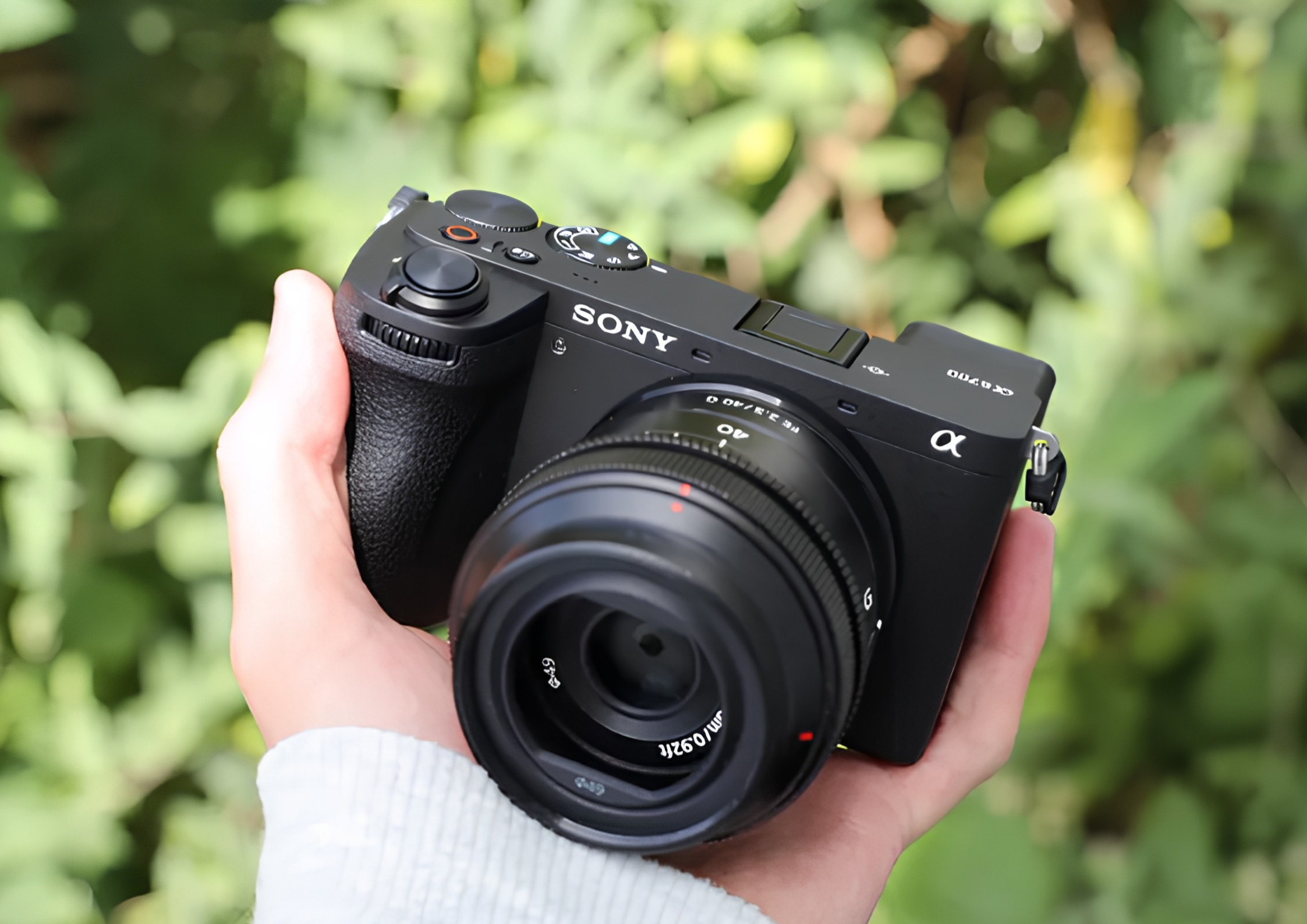
Five Lenses Went Into a Drawer Because of One
For years, packing for a trip started the same way. The night before, I would lay my lenses out on the bed and stare at them.
There were five. A Sigma 56mm f/1.4, a Viltrox 75mm f/1.2, a TTArtisan 7.5mm fisheye, a Sigma 16mm f/1.4, and a Sigma 18-50mm f/2.8 zoom. And then the negotiation started. Which combination covers this trip? The 16mm plus the 56mm? The zoom plus one fast prime for the evenings? When I really wanted to keep it light, I took only the 18-50 and accepted that f/2.8 would cost me the night shots.
I never brought everything. I brought a different compromise every time, and I second-guessed it before the plane boarded. Pick wrong and you feel it for the whole trip: the focal length you left at home becomes the only one you want, or the fast prime you packed for one evening rides untouched in the bag for two weeks. If you have ever stood over a bed full of lenses doing this exact math, you know it is the least fun part of travel photography, and it happens before the trip even starts.
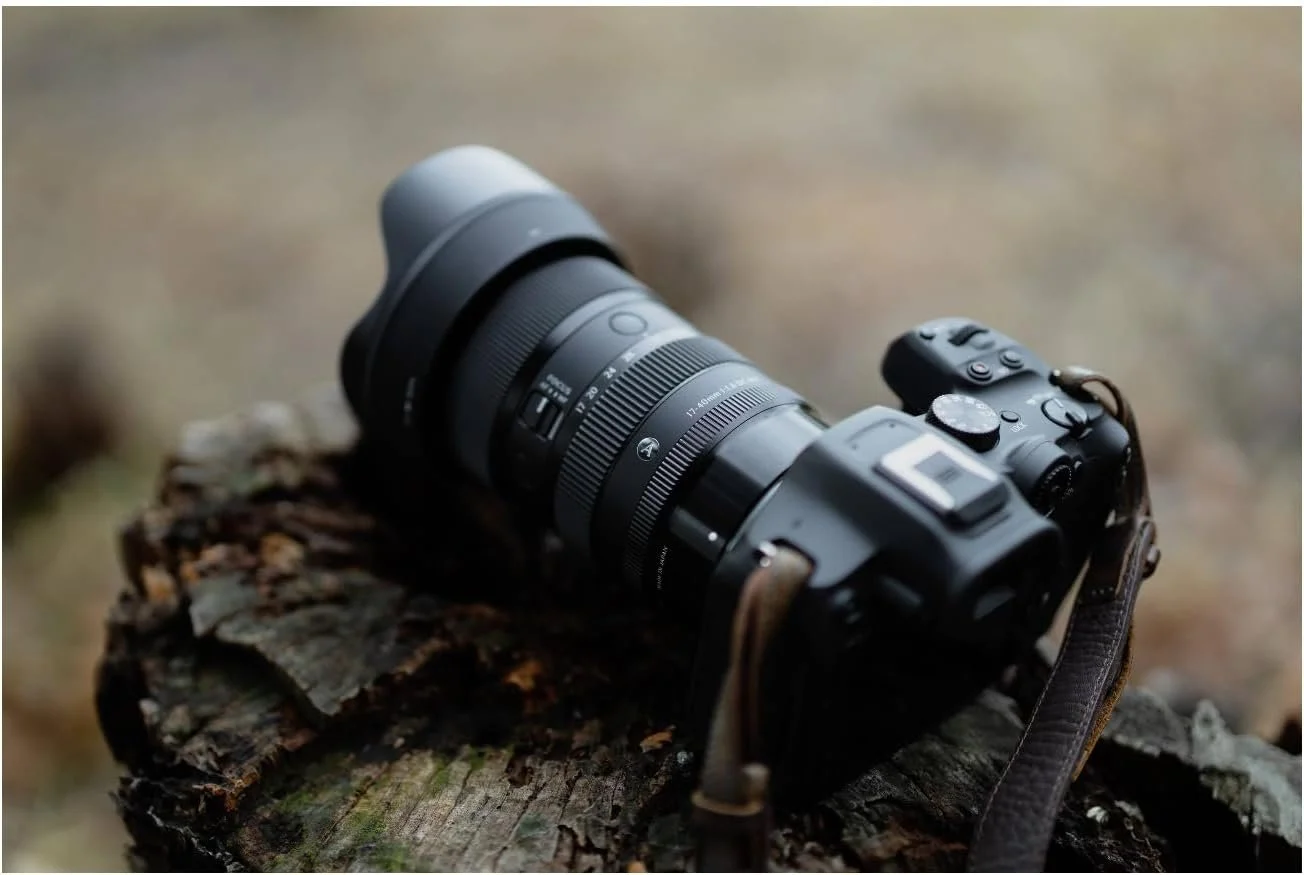
Last year I replaced the zoom and the 16mm with the Sigma 17-40mm f/1.8, and the negotiation ended. It has not come off my camera since.
The Japan test: two weeks, one lens
The real proof was a two-week trip to Japan where I brought only the 17-40. No backup prime, no just-in-case fisheye. Somewhere around day three I stopped thinking about focal lengths and started thinking about light and timing again, which is the part of photography I actually enjoy.
Afterward, I went through my photo libraries to check whether I had been quietly suffering without longer glass. The opposite was true. On trips, I never photograph past 40mm. Not rarely. Never. Street scenes, food, interiors, the occasional portrait of whoever I'm traveling with. All of it lives between 17 and 40.
If a zoom range can cover everything you photograph at a brightness that handles most evenings, the case for packing four extra lenses collapses. Mine did.
I wrote a full review of this lens and what living with it is like, beyond the spec sheet: Read: Sigma 17-40mm f/1.8 Review: Can One Lens Simplify Our Workflow?
The trade-offs, because there are trade-offs
I won't pretend this lens is perfect.
Coming from f/1.4 primes, f/1.8 costs you two-thirds of a stop. On paper that stings. Then I checked my settings and found I photograph at f/4 most of the time anyway. In the street I want depth, not a razor-thin focus plane. A sliver of sharp eyelash is great for portraits, but when a scene comes together in front of you, you want the whole scene. One caveat: if a lot of your photography happens at night, fast primes may still make sense for you, and I won't argue.
The other trade-off sits on the scale. Spec sheets put the 17-40 at 535 grams, against 290 for the 18-50 it replaced. It also costs 919 dollars, roughly double. So I pay more and carry more for one wider stop and three extra millimeters on the wide end. Worth it to me. I still wish Sigma had made it smaller and lighter, and both opinions fit in the same bag.
The Strangest Thing in My Sony A6700 Travel Kit
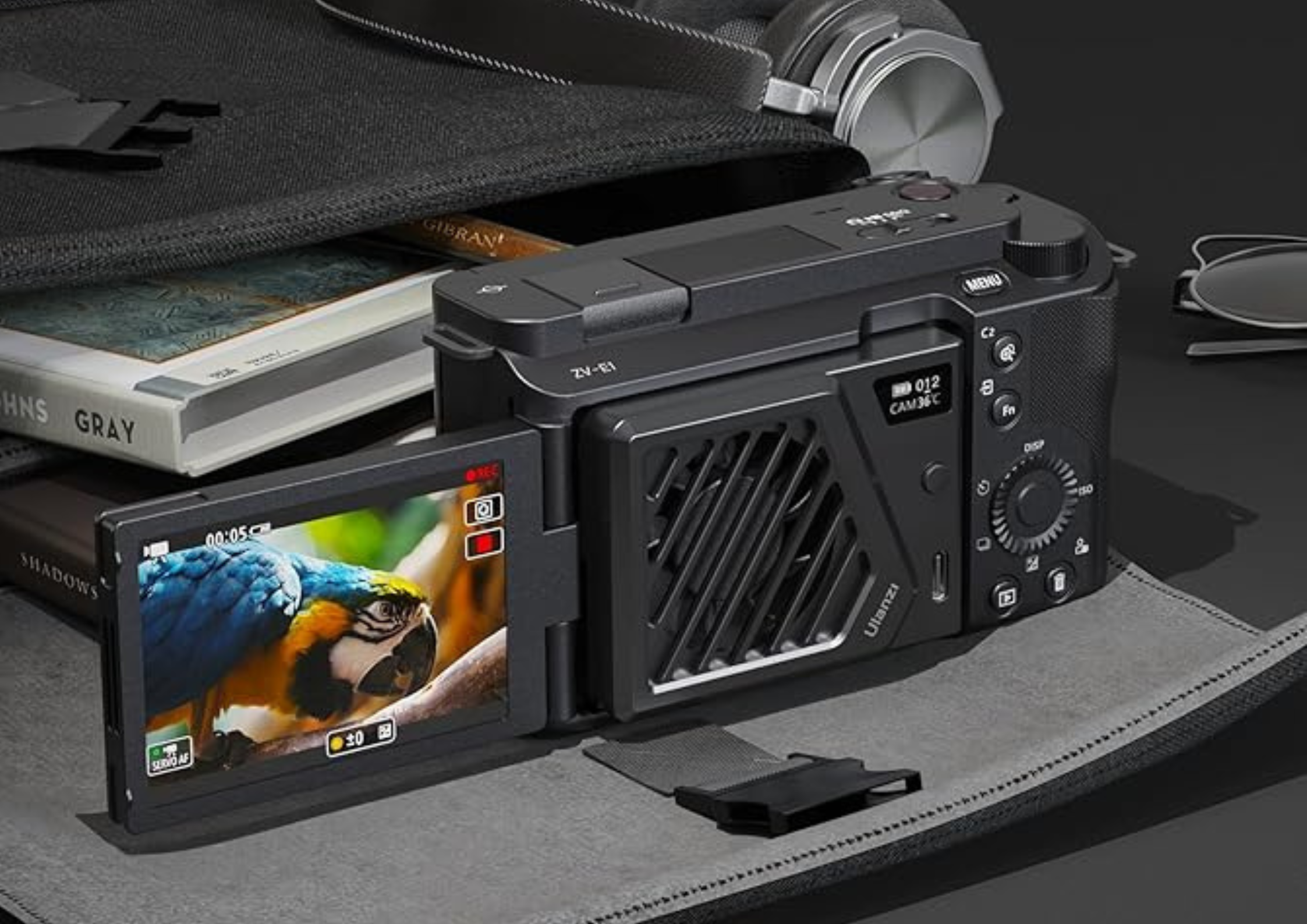
Now the object I teased at the top. Wedged in the corner of my bag, next to the spare battery, there is a small plastic grille that has nothing to do with photographs.
It is a fan. A Ulanzi Camera Cooling Fan, and it is in this bag because of what my camera does at minute thirty.
The Sony a6700 overheats when I record 4K 24fps for about 30 minutes straight. And before anyone types it: yes, Auto Power Off Temp is set to High. It still shuts down. Higher framerates get there faster, and a warm day in direct sun moves that limit closer. For a camera this good at video, the heat ceiling is the one real flaw I keep bumping into on summer trips. And travel is the worst possible place for it, because nothing you record on a trip can be reshot. The street performer, the train window, the dinner where everyone is laughing: those clips exist once.
The fan clips onto the back of the camera and pushes air across the body while you record. It looks a little ridiculous, and I have made peace with that. It has its own battery, spec'd at around 85 minutes on low speed and 70 on high, and it charges over USB-C, so it runs indefinitely off the power bank I already carry for my phone. Next to almost anything else with the word camera on the box, it is cheap, and it has saved more clips than any other accessory I own. Since it joined the bag, I have not lost a single take to heat.
Do You actually need it?
Honest answer: only if you film.
If you photograph stills exclusively, skip it. I have never overheated the A6700 taking photos, in any weather. Overheating is a video problem. If you record talking clips or long b-roll on trips, the fan is cheap insurance for footage you cannot reshoot. If you don't, spend the money on ice cream.
A Carry Setup That Doesn't Announce You
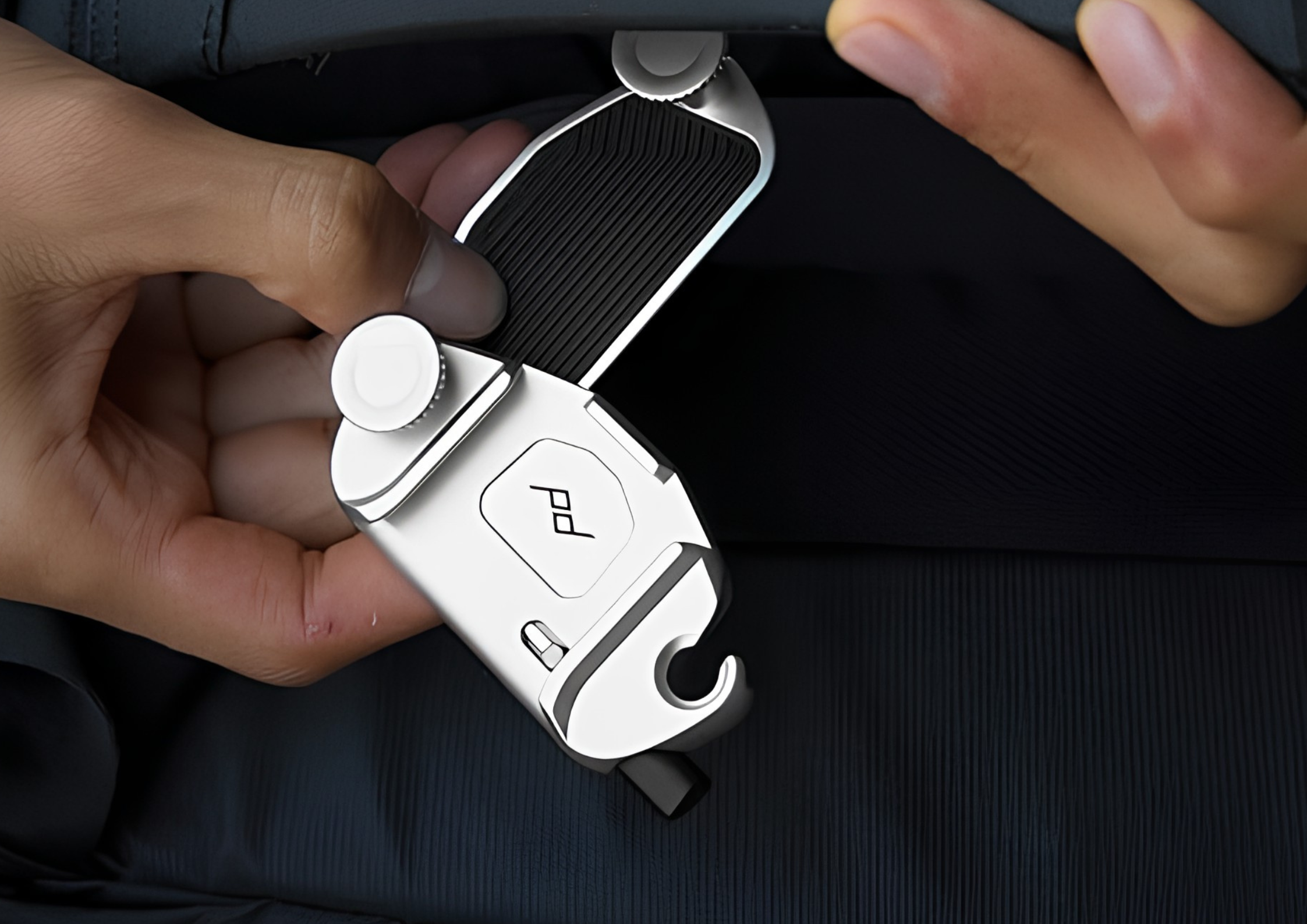
This is the part of the kit that has the least to do with image quality and the most to do with whether I take pictures at all.
The default is a Peak Design Capture Clip mounted on the shoulder strap of whatever bag I'm wearing. The camera locks into a small plate at my chest, both hands stay free, and it comes off in about a second when something is worth photographing.
And, this matters more to me than I'd like to admit, it doesn't read as A Photographer pointing a camera at everything. It reads as someone wearing a bag. As an introvert, that difference often decides whether the camera comes up at all. A camera in the hand invites attention. A camera on a strap, sitting quietly at your chest, does not. People relax around you, scenes stay natural, and you get to decide when to become a photographer instead of being one all day.
If photographing around a day job and limited energy is your situation too, I wrote about how I keep the hobby alive without adding hours: Read: How to Keep Photographing With a Full-Time Job (Without Extra Hours)
When the clip isn't the answer
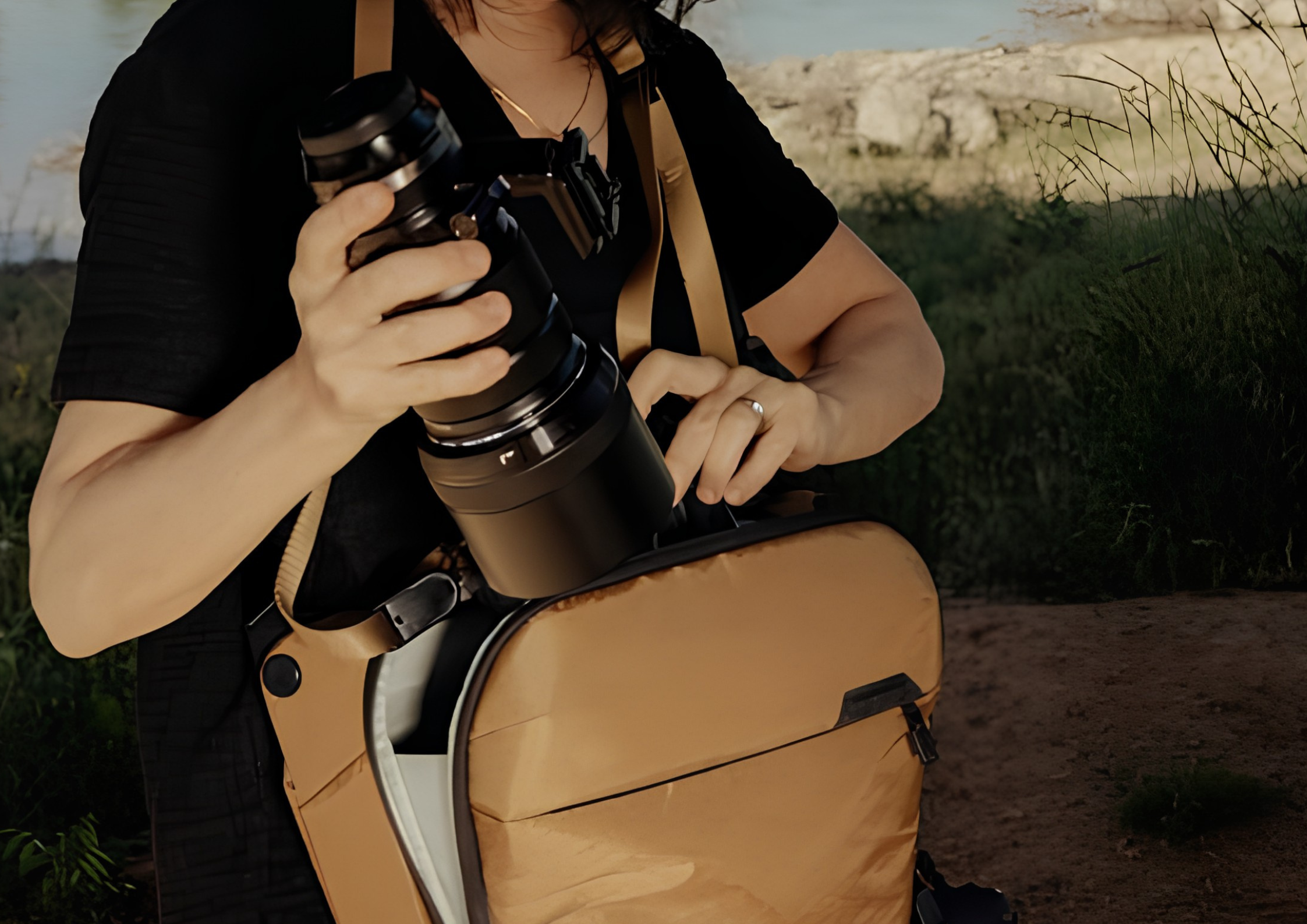
The clip has a flaw. On long walking days it presses into your chest, and around hour six you start negotiating with it.
So there are two alternates. When I want the lightest possible load, the camera hangs on a Peak Design Slide strap and that is the entire kit. When I need to carry extras, everything goes into a Peak Design Everyday Sling 6L, which is also the bag this whole post has been unpacking.
What I won't do is bring a full backpack just for fun. My back complains enough about the desk job. The kit had to shrink until the bag could too.
What Stays in the Bag, and What to Buy First
Here is the detail I like most about this kit. With the camera, the lens, the fan, the clip, and the strap all packed, the sling is still not full.
There is room left for sunglasses, earphones, a spare battery, and the power bank. Room for normal life. The camera is supposed to come along on the trip, not be the trip. And the whole thing flies as a personal item. Not a carry-on, the bag that goes under the seat in front of you. Nobody at the gate has ever looked at it twice, no overhead bin roulette, and the camera never leaves my reach between home and hotel.
I'm careful not to call this kit minimal. Minimal is a moving target and someone always travels lighter. What I will say is that every item earned its place over years of trips, and everything that didn't got cut: four primes, a zoom, a backpack.
The buy order, if you're starting from zero
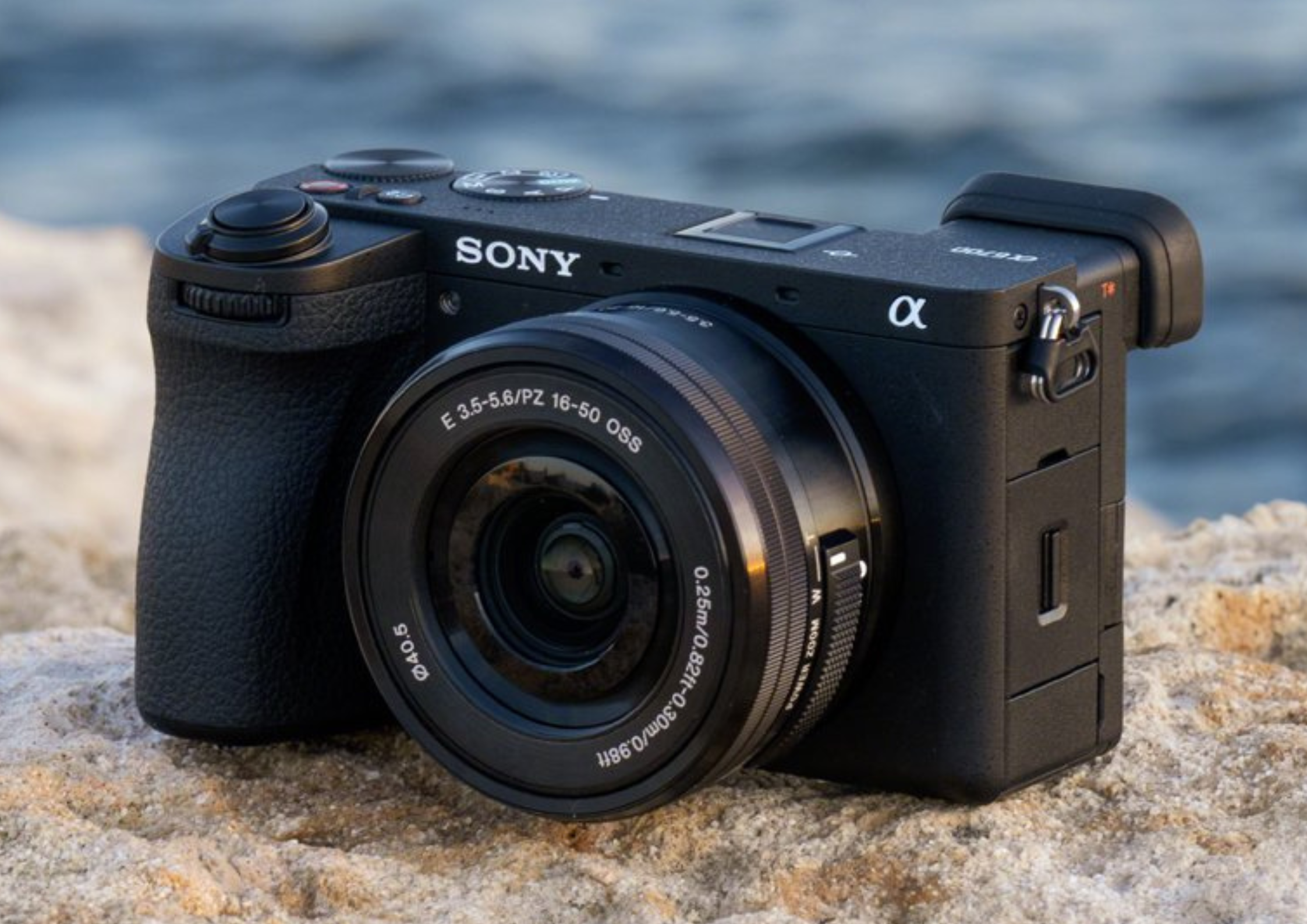
If I lost everything tomorrow and rebuilt this Sony A6700 travel kit from scratch, this is the order I would buy in.
The camera. Everything else is decoration without it.
The lens. If the 17-40 stretches the budget too far, get the Sigma 18-50mm f/2.8 instead. It is a great lens at a fraction of the price, and it is the one I traveled with for years before the upgrade.
A strap.
The fan, but only if you film.
The sling.
The backpack comes last, if it comes at all. If you carry more gear than I do, the Peak Design Everyday Backpack is the version of this idea that grows with you. I just don't bring one for fun.
One more honest note: most of the video at the top of this post was filmed with the 17-40 itself, apart from a few specific shots. The lens is, in a sense, reviewing itself.
And if your travel camera is a Fujifilm rather than a Sony, the same one-bag thinking applies with different accessories. I went through that exercise too: Read: 5 Upgrades That Actually Fixed the Fujifilm X100VI for Travel
So that is the whole Sony A6700 travel kit. One camera. One lens that ended years of packing negotiations. A fan that buys back every clip past minute thirty. A clip and a strap that keep the camera ready without making it a costume. And empty space in the bag, on purpose.
If your packing still starts with a bed full of lenses and a negotiation, I get it. Mine did for years. Start by finding out what you actually photograph on trips, because the answer is probably narrower than you think, and let the bag shrink from there.
What is the one thing you refuse to travel without, camera gear or not? Tell me in the comments on the video. I read all of them.
Gear Mentioned in This Post (affiliate)
These are affiliate links. If you buy through them, it supports what I make here at no extra cost to you.
