What to Say When You're Confronted During Street Photography
The part of street photography that stops most people is not the fear of a bad photo. It is the fear of a street photography confrontation: that moment when someone notices you, locks eyes, and starts walking over. Your stomach drops. Your mind goes blank. And the honest truth is that most of us have rehearsed the photo a hundred times and never once rehearsed what to say.
I am an introvert, so this is the exact thing I worried about for a long time before I worried about composition or light. What I have learned, after carrying a camera through public streets for years, is that the words matter more than the gear. A calm, honest sentence defuses almost everything. The wrong reaction, defensiveness, a lecture about your rights, an argument, is what turns a small moment into a bad one.
So here are five things you can say when you get confronted, ordered from the one I recommend most to the one I recommend least. They all share the same goal: lower the temperature, stay honest, and walk away with your photo and your dignity intact.
Why a street photography confrontation feels worse than it is
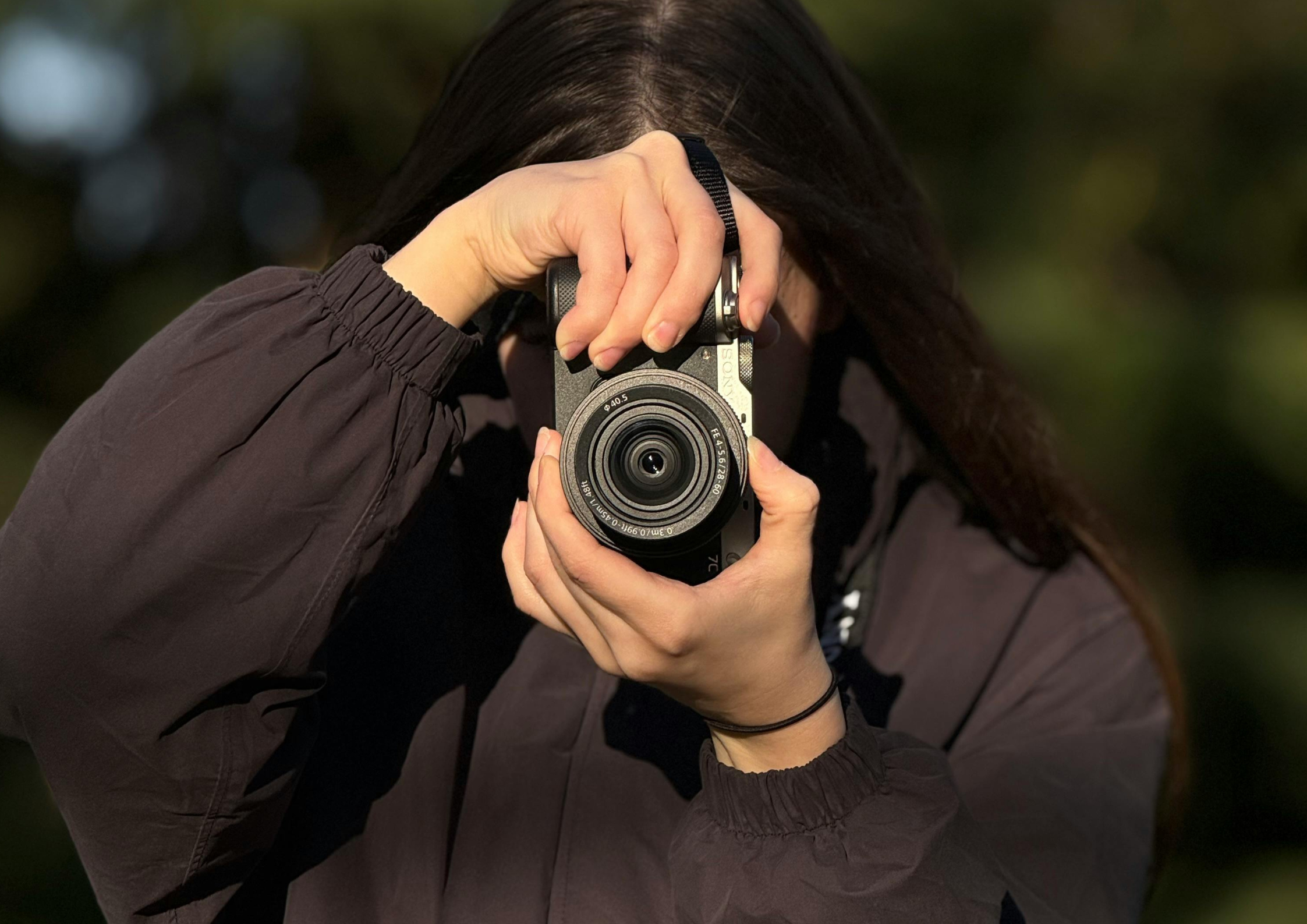
Before the words, it helps to understand the feeling. The dread of being confronted is almost always bigger than the confrontation itself. In years of photographing in public, I have only been approached a handful of times, and almost none of those moments became tense. That is not because I am brave. It is because my style is not in your face. I am not pushing a lens at strangers or chasing reactions. I am quietly capturing scenes that happen to include people.
That matters, because the way you carry yourself changes how often this happens at all. If you move calmly, keep a relaxed posture, and treat the people around you as people rather than targets, you give almost no one a reason to confront you. The fear is real, but the frequency is low. Naming that gap honestly is the first step to photographing without a knot in your stomach. If the anxiety itself is the thing holding you back more than any actual confrontation, you might find it useful to read 5 Street Photography Ideas for Introverts: No Confrontation Needed, which is about lowering the odds before they ever come up.
Now, when it does happen, here is what to say.
The five things to say when you are confronted
1. A genuine compliment
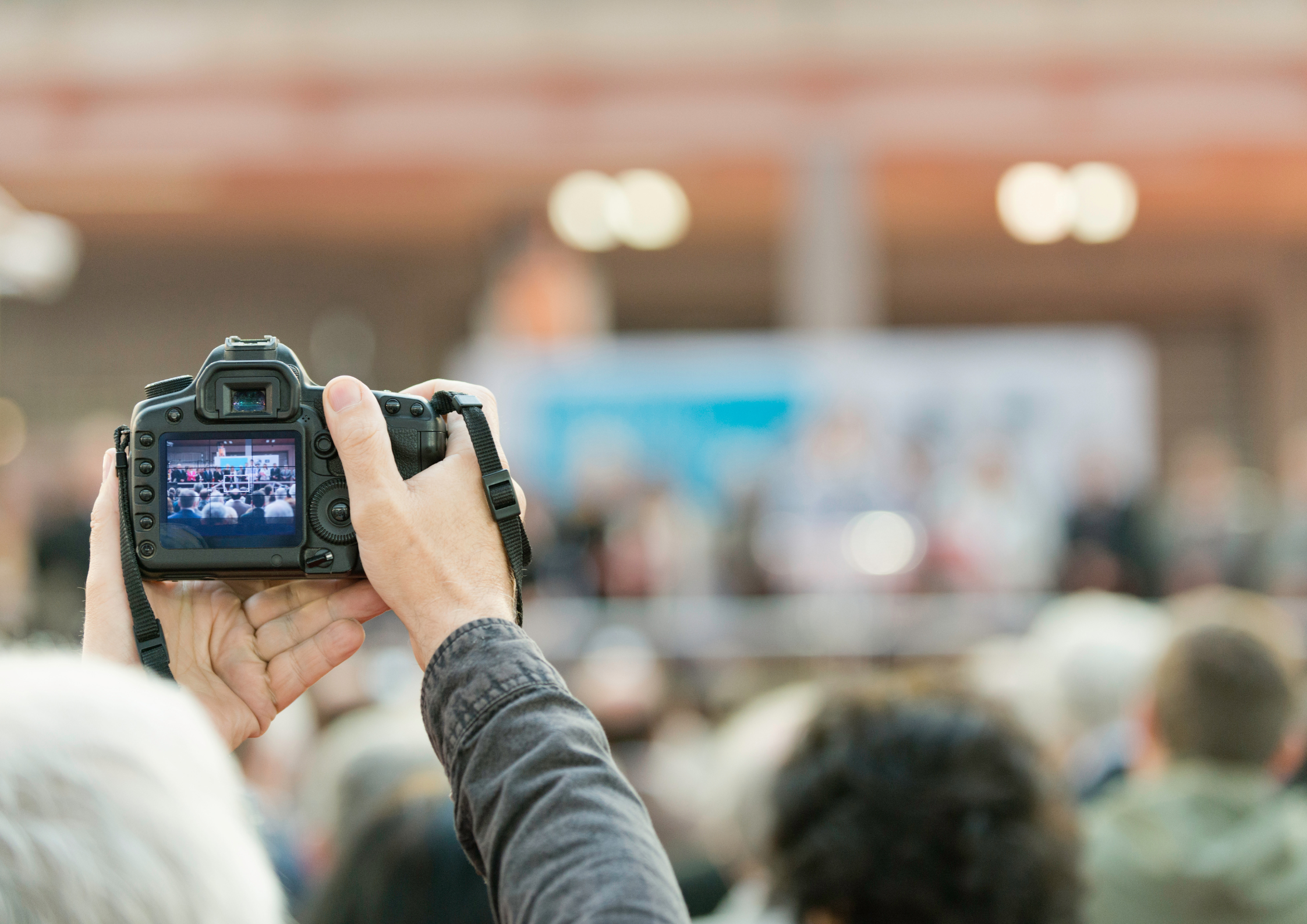
This is the one I recommend most, and it is first on the list for a reason. When someone asks, "Did you just take a picture of me?", the calmest and most disarming thing you can say is the honest reason you photographed them in the first place. Something like, "Yeah, I did. I liked your outfit, the way it looked against the street," or "I liked your hat, it caught my eye."
The reason this works is that it is true. You photographed that person because something about them stood out in the scene. Saying so out loud turns a confrontation into a conversation. The person walked over tense, expecting a fight or an excuse, and instead they are suddenly talking with you about their jacket. The temperature drops in a single sentence.
There is one rule here: it only works if it is true. Do not invent a compliment to manipulate someone. If you photographed a scene and a person happened to be part of it, say that instead. Honesty is the entire mechanism. The moment you lie, you lose the calm authority that makes this line land.
2. Be honest about who you are
The second line pairs naturally with the first. Tell them plainly what you are: "I am a street photographer," or "I am a photographer, I was capturing the street." Just that. No apology, no nervous over-explaining, no speech about your legal right to photograph in public.
The instinct, when you feel cornered, is to either shrink or to argue. Both make things worse. Shrinking reads as guilt, and arguing reads as aggression. Stating your identity in a flat, unbothered way does something different. It tells the other person that you are not doing anything strange or hidden. You are a photographer, photographing. That is a normal thing for a normal person to be doing in a public place.
If you are holding a camera that looks the part, that helps too. A real camera in your hands quietly signals intent. You are not secretly filming someone, you are making photographs, and the object in your hands backs that up. State it plainly and let it sit. Most of the time, that is enough. If calling yourself a photographer makes you feel like a fraud, that feeling is more common than you think, and it is worth working through on its own. I wrote more about that in Street Photography for Introverts: How to Capture Confidently Without Overwhelm.
3. Acknowledge them and stay calm
Of course, once you say something, you get a reply. Sometimes it is friendly. Sometimes it is more confrontational. If the conversation starts heading toward an argument, your job is not to win it. Your job is to lower the heat.
The line here is simple acknowledgment. Say, "I understand," and then let them talk. Let them say their piece without interrupting or correcting them. Stay calm. Stay non-defensive. Do not escalate by matching their energy.
This is the hardest one emotionally, because when someone challenges you, every instinct says to defend yourself. But you are not in the wrong, and you do not need to prove it in the moment. You are not stating anything false, and you are not doing anything you should not be doing. The whole point of acknowledgment is to take the air out of the tension. People calm down when they feel heard, not when they feel argued with. If that does not fully work, you move to the next line.
4. Offer to delete the photo
If someone is genuinely uncomfortable and the calm acknowledgment has not settled things, offer to delete the picture. Say something like, "Hey, sorry to bother you. I can delete it if you want."
I know this one is hard to hear, because you came home with a frame you liked and now you are giving it away. But a single photo is not worth a person's real distress, and offering to delete it almost always ends the conversation immediately. The offer itself is often enough. Many people, once they hear you are willing to delete it, no longer care whether you actually do. What bothered them was the feeling of having no say. Giving them the say resolves it.
Throughout all of this, the two anchors stay the same: stay honest, and stay respectful. You are not trying to trick anyone or escape on a technicality. You are trying to leave the other person feeling fine about an interaction they did not ask for.
5. The last-resort line, and why it is last
The fifth one is the line I recommend least, and I want to be clear about why. If you truly want out of a situation and nothing else has worked, you can soften the truth a little. You can say, "I am just testing out this camera, sorry that it caught you," or "I am a photography student, I am practicing." A student, for whatever reason, gets a lot of social slack that other people do not. You could also say, "You really look like a friend of mine, I wanted a photo to show them."
These can get you out. But they sit at the bottom of the list because they are technically not honest, and honesty is the thread that holds the other four together. The first four lines work precisely because you mean them. The moment you reach for a small lie, you are trading away the calm authority that made the honest lines effective. Use this only as a genuine last resort, when you would rather end an uncomfortable moment than stand in it, and never as your default move.
What years of street photography confrontation actually taught me
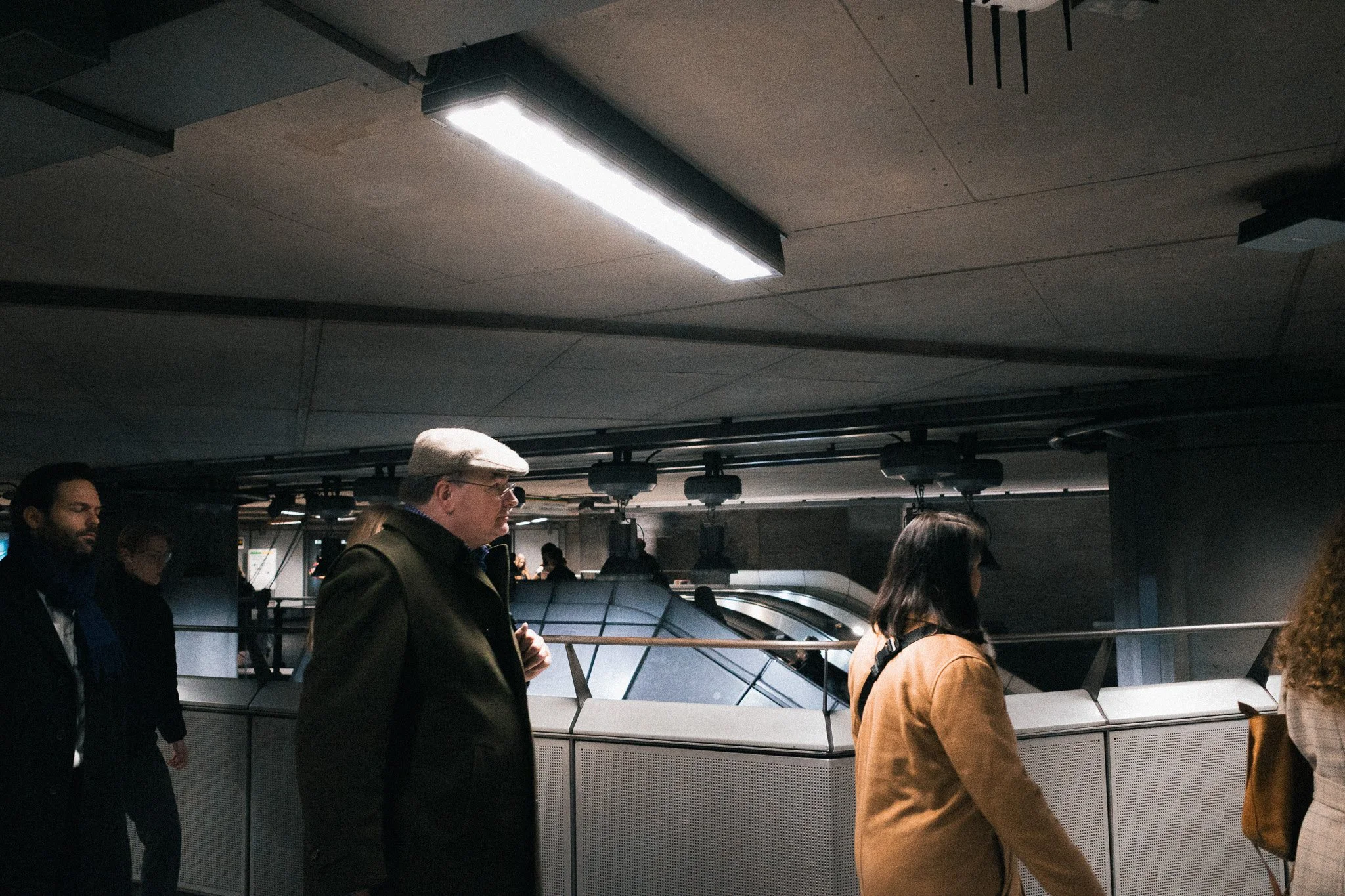
If you take one thing from this, let it be the proportion. Five lines sound like a lot of preparation for something that, in practice, rarely happens. I have spent years photographing in public, and the number of real confrontations I can count is small. The number that turned genuinely tense is smaller still.
That is partly luck and partly style. The calmer and less aggressive your approach, the fewer of these moments you create. But it is also worth saying that the reason these five lines work is not that they are clever scripts. It is that they all come from the same calm, honest place. You are a person making photographs, you are not hiding it, and you are willing to treat the people around you with respect. Hold onto that and the exact words barely matter.
The other thing I have learned is that a lot of confrontation can be avoided entirely, before anyone ever walks over. A smaller, quieter setup and a less obvious way of working keep you from being noticed in the first place. If you would rather not get to the five lines at all, the better long-term move is to become less visible while you photograph. That is a whole topic on its own, and the camera settings and habits that keep me out of sight are where I would point you next.
The calm way forward
Street photography confrontation is the fear that keeps a lot of good photographers off the street. It does not have to. Most of the time it never comes. When it does, a genuine compliment, an honest sentence about who you are, a calm acknowledgment, and a respectful offer to delete will handle nearly all of it. The white lie is there only for the rare case where you want a clean exit.
What ties all of it together is that you are not doing anything wrong, and you do not need to act like you are. Carry yourself calmly, stay honest, treat people with respect, and the moment you have been dreading turns out to be far smaller than the fear of it. If you want to keep building that confidence, Street Photography Anxiety? Avoid These 9 Mistakes is a good next read.
If this resonated, my monthly letter, Still Shooting, goes deeper into the quieter side of photography, doubt, being seen, and showing up anyway. One honest letter a month, no hype. You can join at stillshooting.beehiiv.com.
