iPhone vs Fujifilm X100VI: When Your Phone Is Actually Enough
For a few days, I left my Fujifilm X100VI at home and photographed an entire trip on nothing but my phone. No backup body. No "I'll grab the real camera if it gets serious." Just a phone in my pocket, a lake, some mountains, and a quiet plan to find out where it falls apart. If you have ever stood in a camera store doing the iPhone vs Fujifilm X100VI math in your head, this is the honest version, written by someone who loves the camera and still chose the phone for a week.
I want to be clear about my bias up front. I like the X100VI. I also like staying invisible when I photograph, and a phone is the most invisible camera there is. Nobody looks twice at someone holding up a phone. That single fact does more for a nervous photographer than any spec sheet. So this is not a phone-beats-camera takedown, and it is not camera-snobbery either. It is a map of when each one is the right tool.
iPhone vs Fujifilm X100VI: where the phone genuinely holds up
I expected the phone to embarrass itself. It mostly didn't. Here is where it kept pace, and in a couple of cases, where it quietly won.
Bright daylight and middle-distance scenes
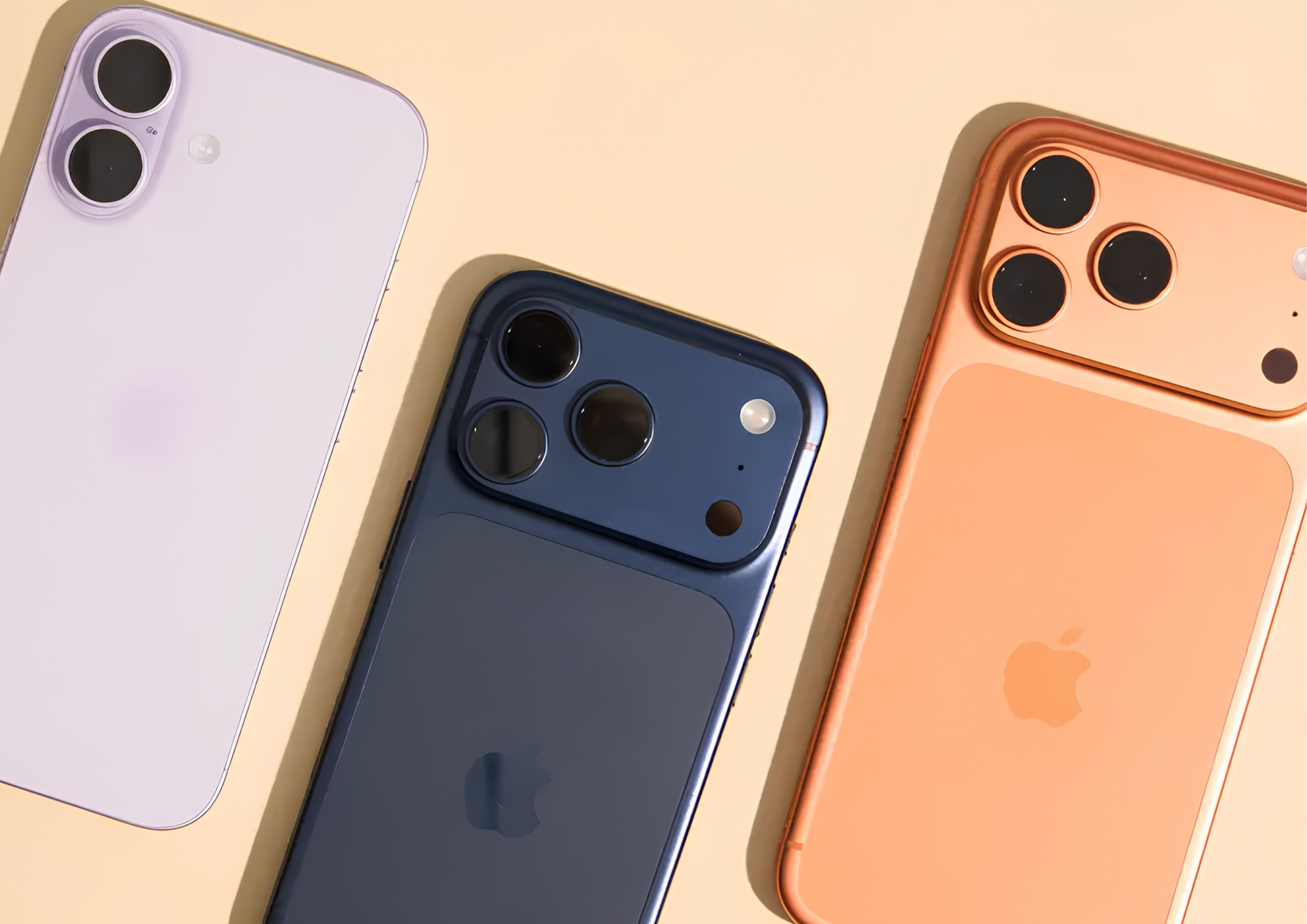
In good light, at a normal distance, the gap between the two is much smaller than people want it to be. I ran a little test with people on Instagram, showing pairs of photos and asking which came from the phone and which from the camera. In one case a wide, bright photo of a mountain fooled most of them. They were certain it was the Fujifilm. It was the phone.
Two things make this work. First, good light hides a lot. When the sun is doing the heavy lifting, the sensor has an easy job. Second, almost nobody views your photos at full resolution. Once a picture goes through the compression on Instagram or any other platform, the tells that give a phone away get flattened out. The phone photo and the camera photo arrive at the viewer looking a lot more alike than they did on your screen.
Snapshots, memories, and the camera you actually have
The best camera is still the one in your pocket, and not as a motivational poster. Practically. You will have your phone on you at a dinner, on a walk, in the middle of a conversation. You can carry a camera everywhere too, but the X100VI is enough of a presence that you start leaving it behind. The phone never gets left behind.
When the goal is to capture a moment rather than make a photograph, speed and availability beat sensor size every time. A slightly worse photo that exists is better than a beautiful one you didn't take because the camera was in a bag at home. If you are trying to fit photography around a full life, that is not a small point. I wrote more about that in Read: How to Keep Photographing With a Full-Time Job (Without Extra Hours).
HDR and high-contrast light
The X100VI has an HDR mode. The phone's computational version is simply better in most situations, because the processing power behind it is on another level. Point a phone at a bright sky over a dark foreground and it will usually hold both ends better than the camera will in a single frame.
The honest caveat: it can overcook things. I have pulled phone photos that looked processed and flat, which is exactly why I often turn HDR off. But when you want it, the phone's version tends to win.
Handheld night shots of things that don't move
This one surprised me, because it seems to contradict everything you have heard about small sensors and low light. For handheld photos of static subjects, the phone often comes out ahead. Night mode stacks several frames into one and prompts you to hold still while it does. A camera hands you one exposure and wishes you luck. Stillness plus stacking beats a single handheld frame more often than camera owners would like to admit.
Framing and the freedom of more than one lens
The X100VI has a fixed 23mm lens that behaves like a 35mm. I love that constraint, but it is a constraint. A phone hands you an ultra-wide, a wide, and a short telephoto, and even a basic phone gives you at least two of those. For tight interiors or big landscapes, that flexibility matters.
One thing to watch: on most phones the main wide lens is the best of the bunch. The ultra-wide and the telephoto are noticeably softer. I default to the main lens whenever the framing allows, just to keep the image clean.
The apps that make a phone feel less like a phone
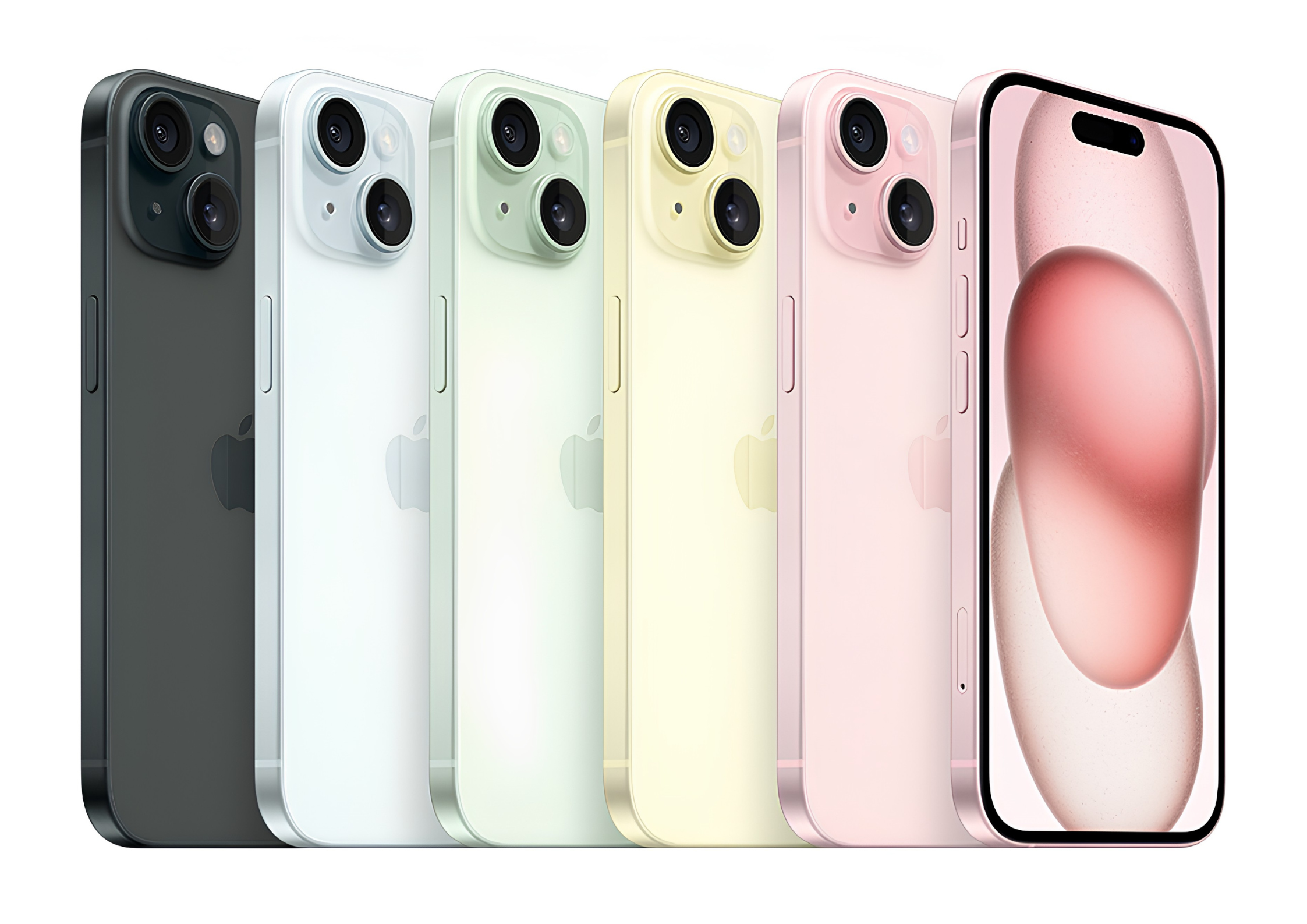
I did this whole trip going for straight-out-of-camera results, which meant leaning on a few apps instead of editing every photo later. These are the three I actually used.
Pearla, the camera app
Pearla is a camera app built to emulate Fujifilm-style color. You change film simulations, add grain, and build your own recipes, the same way you would on a Fuji body. I downloaded the film look files from Fujifilm's own site and used those across the trip. The results were better than I could get out of the default camera app, which is genuinely capable but not built for this. Pearla is subscription based, which I am not thrilled about, so my move is simple: pay for one month before a trip, use it, cancel. No affiliation here, I just liked it.
Sunseeker, for planning light
Sunseeker tells you where the sun will be at any moment, anywhere, including where it rises and sets and how the shadows will fall through the day. That is the difference between guessing and knowing which angle will look good at which hour. It is a paid app but a one-time payment, and there are competitors that do the same thing. I got used to this one and stuck with it.
Dehancer, for the film look
A while back I partnered with Dehancer on a video, kept using it long after, and it is not a paid placement here, I just use it. On a phone I reach for it for three things: a subtle, realistic film grain that reacts to the image instead of sitting on top of it like a flat layer, halation around bright edges, and bloom to diffuse highlights. It also has camera and film presets you can apply and tweak, which is handy when you started in the stock camera app and want to add the character afterward. It runs on phone photos and videos, and the same look carries over to desktop tools like Lightroom and DaVinci Resolve through their plugins. If you want to try it, Dehancer has a discount with the code CESARMENDOZA (affiliate code).
Where the Fujifilm X100VI still wins
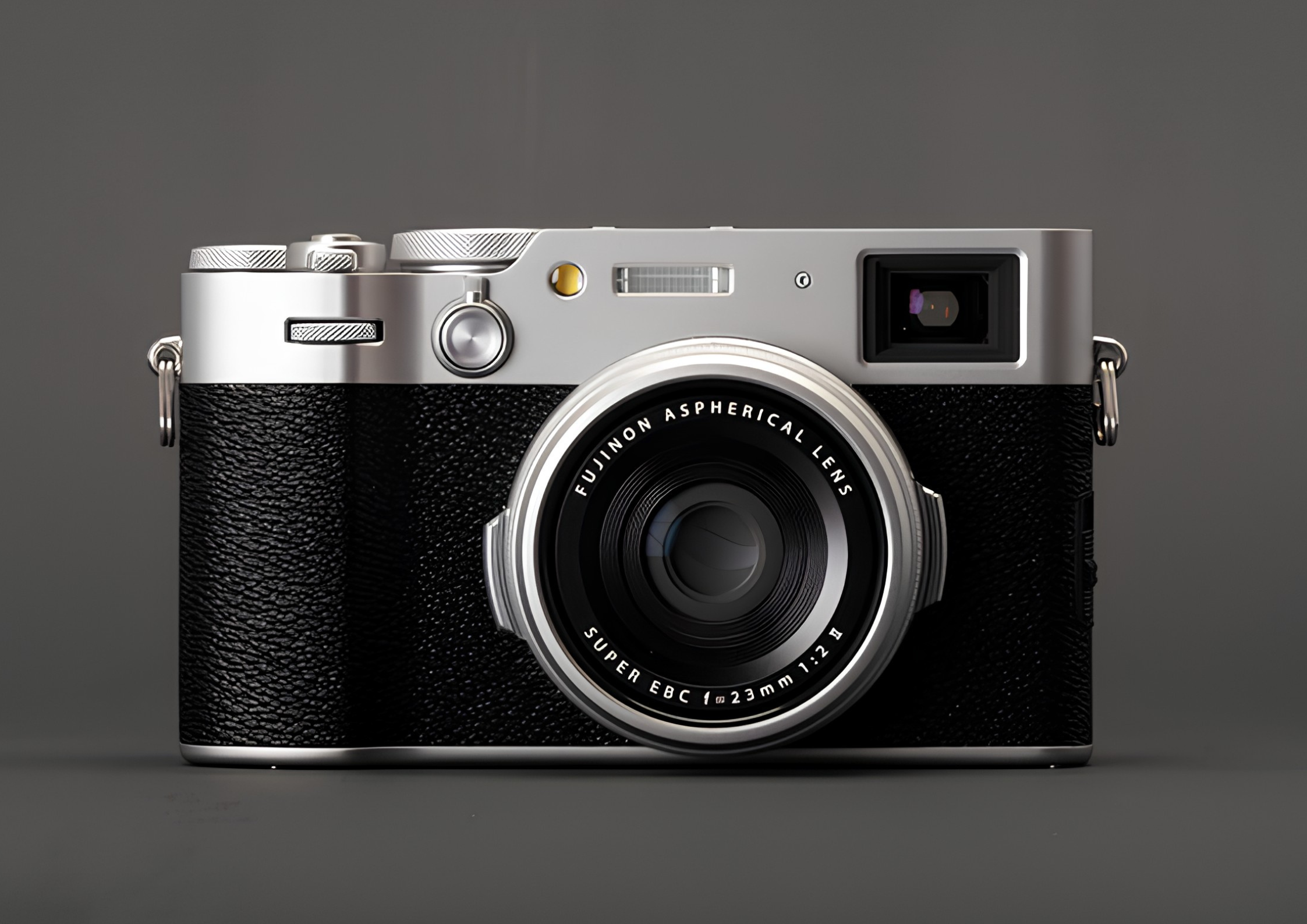
For all of that, I did not come home converted. There are places the camera pulls clearly ahead, and they are the places I care about most.
Low light
One to one, in genuinely low light, the Fujifilm wins. A bigger sensor captures more detail, full stop. Phone shadows go blotchy where the X100VI holds texture. The same thing happens if you put the X100VI next to a full-frame camera: the bigger sensor wins again. Physics does not care how clever the processing is.
Subject separation
You can fake background blur with portrait mode, but it is computation guessing at the edges of your subject, and anyone who has looked at phone photos for more than a year can spot it. The X100VI's f/2 lens is not even the best in the world at this, and it still beats the phone every single day, because the blur is real and the falloff is natural.
Bright-light composition and the viewfinder
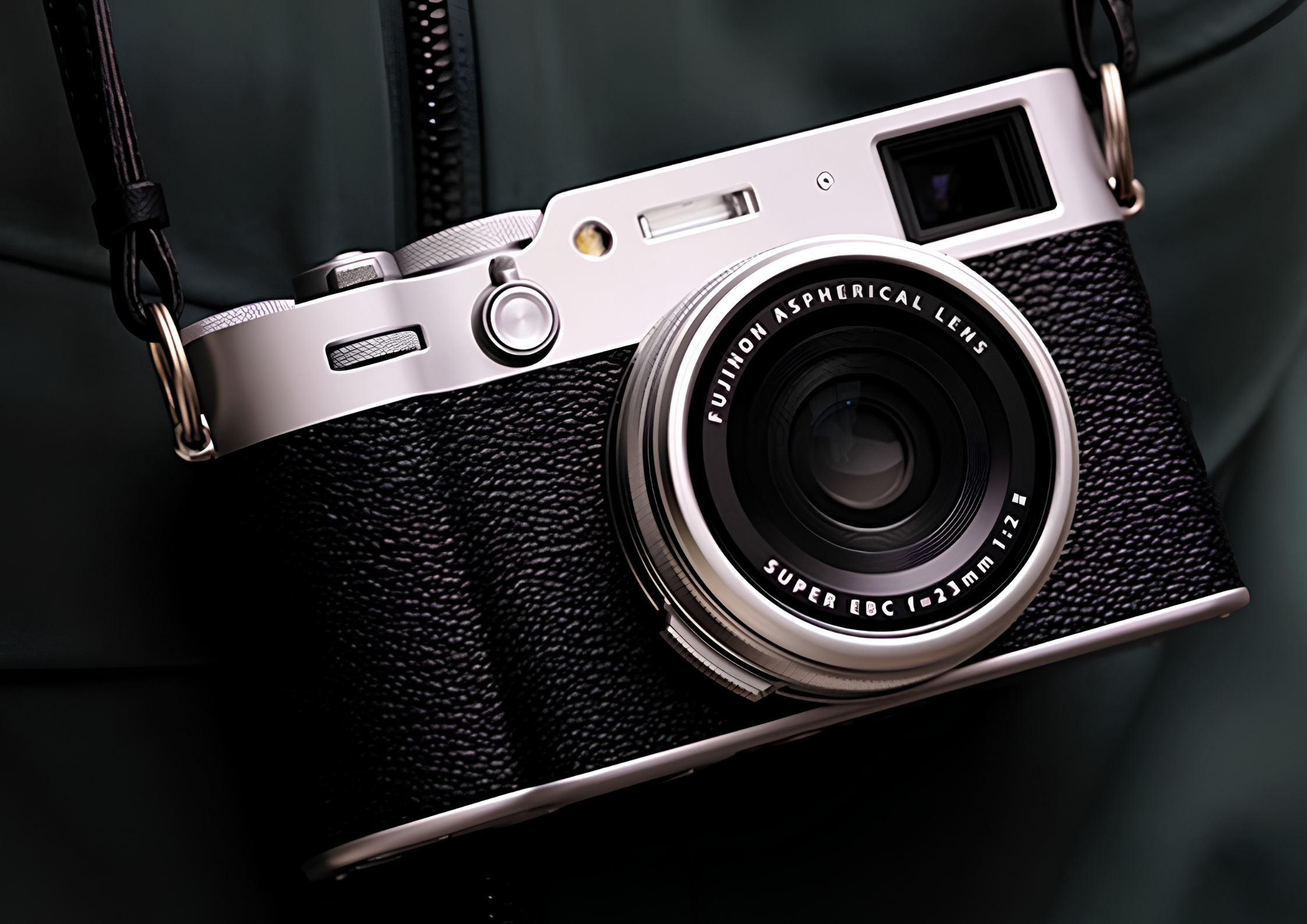
I felt this one hard, because I filmed the whole video on a phone too. In bright sun you often cannot see the phone screen, so you end up guessing the frame. I came back with photos that were subtly crooked and clips that were not level. A viewfinder, like the hybrid one on the X100VI, fixes this completely. You put your eye to it and you simply see. If you want the deeper case for the camera, I made it in Read: Fujifilm X100VI Review: Was the Hype Worth It?.
Files you want to push in post (ProRAW is not real RAW)
ProRAW is partially processed. It is not a true RAW file the way the X100VI's files are. So highlight recovery and color grading hit a ceiling sooner and fight you more. There is a second catch: ProRAW only works on the main wide lens. The moment you need the telephoto, you lose it.
Intentional, distraction-free photography
This is the real one. When you photograph with your phone, the phone keeps being a phone. Messages, notifications, calls, all arriving while you are trying to be present. The X100VI cannot do any of that. It is intentional by design, with physical dials you feel as you turn them. It behaves like a machine, not a computer, even though there is plenty of computer inside it. If photography is a practice that slows you down and makes you more deliberate, the phone fights that, and the camera supports it. At minimum, put the phone on do not disturb. For the X100VI specifically, the way it disappears in public is a big part of why I trust it, which I get into in Read: The Fujifilm X100VI Settings That Make a Loud Camera Disappear.
The moment the phone won me over
Here is the catch in my own argument. The photos I am proudest of from this trip are ones I only got because the phone was the camera I had. Not because I was running a test, but because on those particular days I simply did not bring the X100VI. Sometimes you won't. Even the people who swear they carry a camera everywhere don't, always.
We get so tangled in settings and frames and light that we forget the obvious. The best photo is the one you actually take. My worst photography days are the ones I spend sitting somewhere fiddling with what the ideal setting would be. If you don't own a Fujifilm or any "real" camera, for whatever reason, budget, taste, or because the whole thing feels like too much, a phone is genuinely enough to start. Any phone from the last five years will more than do the job, and they only keep getting better.
So which one should you carry?
If you boil the iPhone vs Fujifilm X100VI question down to image quality and intent, the camera is still the better tool, and you should buy a camera, this one or something better, if that is what you want. But if the real question is whether you will go out and make photographs instead of finding reasons not to, the phone is more than enough. Every photo in the video that goes with this post was taken on a phone, with help from Pearla, Sunseeker, and Dehancer.
My honest answer is that this was never really a versus. It is a question of what gets you photographing today. Some days that is the Fujifilm X100VI. Some days it is the iPhone already in your hand. The camera I regret is the one I left at home, whichever one it was.
If you go with the X100VI: I made a free cheat sheet with every menu setting I use to keep it quiet on the street. Get the Introvert’s X100VI Setup Cheat Sheet (free).
Some links above are affiliate links. They cost you nothing extra and help support the channel.
I'm Cesar, I take photos around a day job.
