How Black and White Photography Can Reveal Your Signature Style
If we have ever hesitated before switching our camera to monochrome, convinced we were about to throw away a perfectly good color image, we are not alone. That fear kept me away from black and white photography for longer than I care to admit. But one simple camera setting changed everything. It gave me a safety net that removed the risk entirely, and in the process, it taught me how to actually see.
This is the story of how photographing without color forced me to confront the foundations of a strong image and, eventually, led me to a signature style I never knew I had.
The RAW+JPEG Safety Net for Black and White Photography
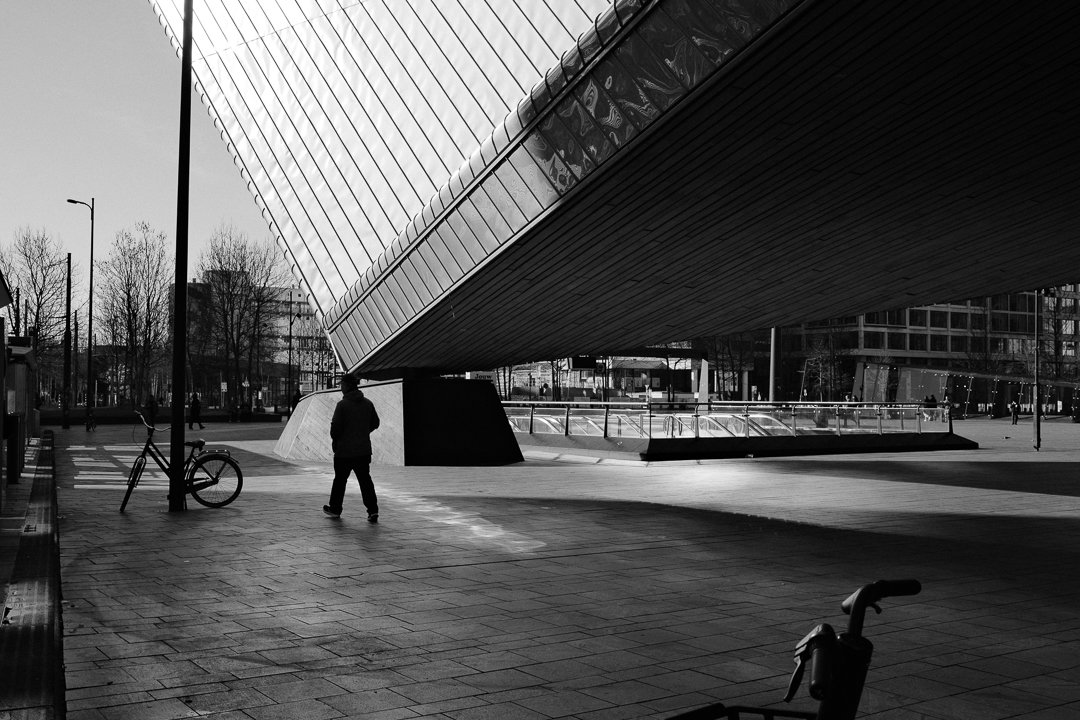
The breakthrough was surprisingly simple. Most modern digital cameras allow us to capture in RAW plus JPEG simultaneously. On its own, that is not groundbreaking. But here is the trick: we set the camera's picture profile or film simulation to a monochrome mode.
When we press the shutter, the camera does two things at once. It produces a black and white JPEG, which is what we see on the back screen. That gives us instant, real-time feedback of the world stripped of color. But it also saves a full-color RAW file in the background. A RAW file is the pure, unprocessed data from the sensor. Every shade of blue in the sky, every warm tone in a sunset, every detail in the highlights and shadows. All of it is still there, completely untouched.
This means we never actually lose anything. If we get home and desperately wish we had a particular image in color, we do. The original file is waiting. This combo removes the fear of commitment and gives us the freedom to explore monochrome without worrying about permanent mistakes.
For cameras like the Fujifilm X100VI, this works beautifully with the built-in film simulations. We can set the ACROS monochrome profile and get stunning black and white JPEGs straight out of camera while the RAW file preserves every color option for later.
Some links here are Amazon affiliate links. If you buy through one, I get a small cut at no extra cost to you.
I switched my camera to this mode and decided to live in black and white for a full month. The color files were always there if I panicked. And that safety net was the thing that set me free. I stopped panicking and started seeing.
Read: Improving Photography Style: My Black-and-White Experiment
Learning to See Without Color
Once the fear was gone, things started to change in ways I did not expect. By forcing ourselves to see a monochrome preview before pressing the shutter, we stop being distracted by color. And when color is gone, we have to rely on the actual foundations of a good photograph. We learn to see all over again, but this time, we are looking for completely different things.
Composition in Its Purest Form
Color can be a massive crutch. A vibrant blue sky or a pretty sunset can trick us into thinking a photo is great when the composition is actually weak. Without those easy, eye-catching colors, we suddenly notice the underlying structure of our image. We start finding leading lines, shapes, symmetry, and patterns. A boring road becomes a powerful diagonal. The empty space around a person becomes a tool for creating mood. Our brain, no longer chasing pretty colors, starts arranging the geometry in the frame to create balance and flow.
The surprising part is that this skill carries over. Once we train ourselves to see composition without color as a crutch, our color photos become dramatically stronger too.
Light and Shadow as the Main Subject
In black and white photography, light and shadow are not just elements in the photo. They are the photo. We stop seeing light as the thing that makes stuff visible and start seeing it as a tangible substance we can shape. Harsh sun creates deep, dramatic shadows that carve out texture. Soft, cloudy light wraps around a subject to create gentle, moody tones. Contrast becomes our main tool for creating drama and directing the viewer's eye.
We learn to read the light and move our feet to use it to create the feeling we want. This is one of the most important skills we can build as photographers, and working in monochrome is the best training ground for it.
Texture and Mood
Without color, the little textures of a scene just pop. The rough grain of old wood, the smooth surface of water, the gritty texture of concrete. These details add a layer of depth that viewers can almost feel. And texture is tied directly to mood. High-contrast, gritty textures feel dramatic and raw. Soft, smooth tones feel calm and dreamlike. We start hunting for textures that tell a story, moving beyond what a scene looks like to what it feels like.
How Black and White Photography Builds a Signature Style
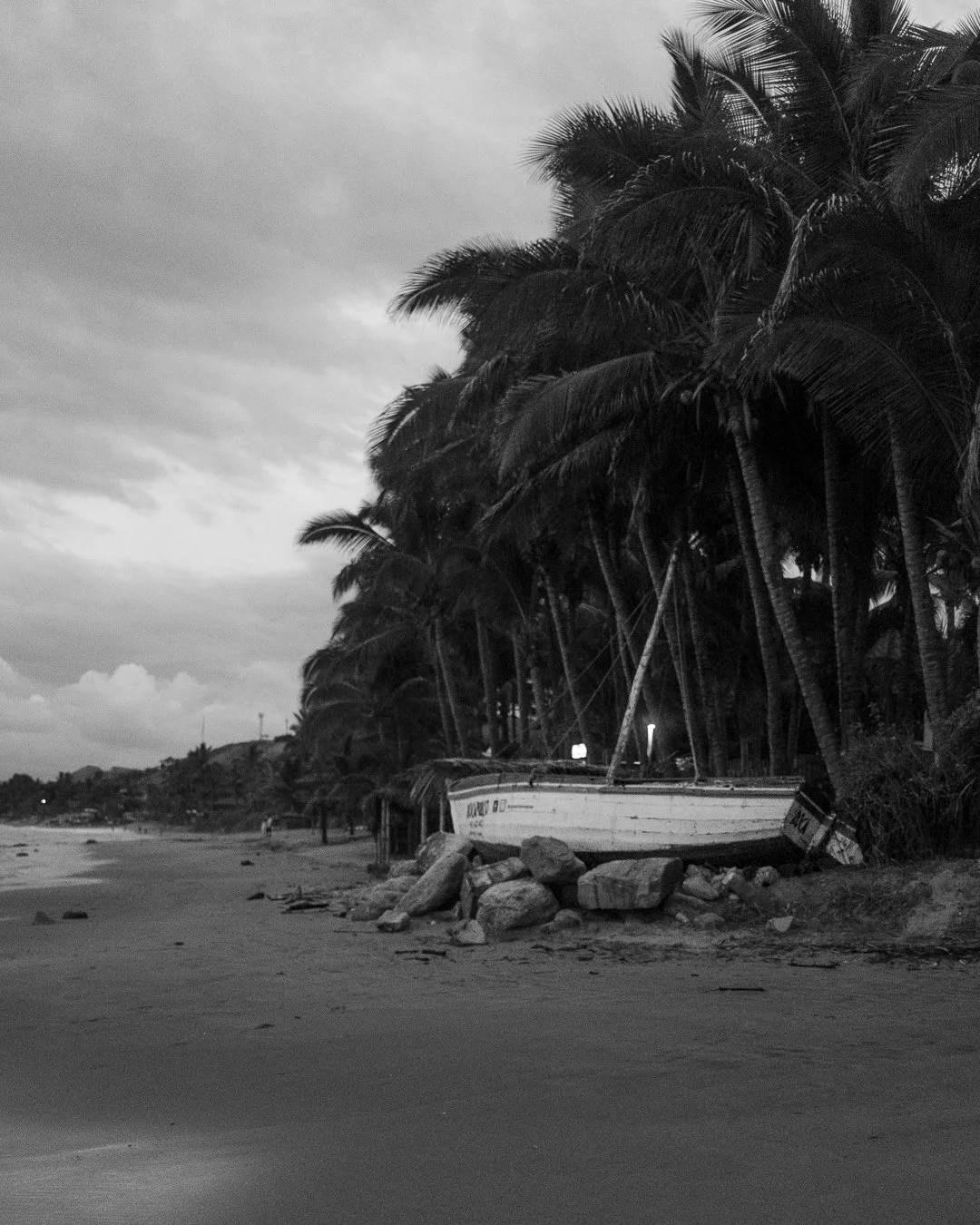
Before I started this experiment, my photography was all over the map. A bright, airy landscape one day and a dark, gritty street image the next. They were fine as individual pictures, but as a collection of work, they had no connection. They did not feel like mine. They did not have a fingerprint.
Working in black and white forced me to make choices. It trained my eye to look for specific kinds of light, to lean into certain compositions, and to chase particular moods. Over time, those choices started to form a pattern. They solidified into a recognizable style. My style became about finding quiet moments, using high contrast to create drama, and focusing on the play between deep shadows and small, isolated highlights. That is what I was naturally drawn to once the distraction of color was gone.
Here is a real-world example. I took a photo in a forest. In color, it was chaos. A dozen different shades of green, brown, and yellow all fighting for attention. No clear subject or story. Just a picture of some trees. But because my camera was set to monochrome, what I saw on the screen was clarity. One beam of light breaking through the leaves and hitting one specific tree trunk. That was the entire story. Light in the darkness.
By seeing it in black and white first, the story became instantly clear. I framed the image to emphasize that single element. And even though I had the color RAW file, the final image I chose to create was a dramatic monochrome that told that simple story. I never would have seen that photo if I had been working in color.
Developing a signature style is not about slapping the same preset on every photo. It is about developing a consistent way of seeing the world and making deliberate choices that reflect it. Working in black and white is the fastest way to figure out what we, as artists, are truly trying to say.
Two Practical Tips to Get Started
Become an Archaeologist of Our Own Work
We do not need to go out and create new images to start this journey. We can go back into our archives and find all those "failed" color photos. The ones where the colors were distracting, the white balance was off, or the scene was just too chaotic. We convert them to black and white and see what happens. We will be amazed at how many pictures can be saved by simply stripping the color away.
This exercise also trains our eye to recognize which kinds of images, which light and compositions, work best in monochrome. Over time, we start to see those qualities in the field before we even press the shutter.
Use Black and White as a Temporary Editing Tool
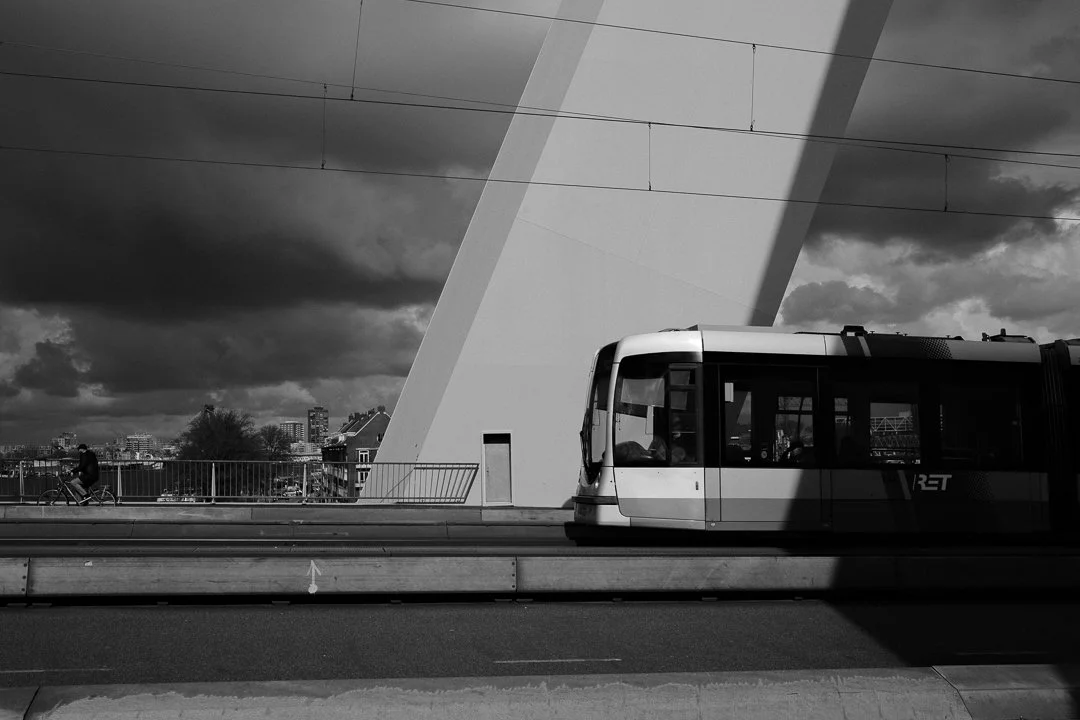
This is a technique many professional photographers use and rarely discuss. When we are in our editing software, whether that is DxO PhotoLab or Lightroom, we desaturate the image completely for a moment. Without color confusing us, we can perfectly dial in our exposure, contrast, highlights, and shadows. We are building the tonal foundation of the image.
Once that structure is right, we bring the color back in. This ensures our final color image is built on a rock-solid foundation of light and tone. For even more creative control over the film-like look of our black and white conversions, tools like Dehancer offer authentic film emulation that goes far beyond simple desaturation.
The Bigger Picture
Black and white photography is not a filter we apply at the end. It is a lens we use at the very beginning. It filters out the noise and forces us to see the soul of a scene: its shapes, its light, and its feeling.
The safety net of capturing RAW+JPEG gives us the freedom to experiment without fear. If we commit to this, even for just a few weeks, it will shift how we see. It will improve our compositions, deepen our understanding of light, and ultimately put us on the fast track to developing a body of work that is consistent, powerful, and truly ours.
The challenge is simple. Go into the camera settings right now. Set image quality to RAW plus JPEG and turn on the monochrome profile. Photograph with it for one week. See what we discover. It changed the way I see the world, and I believe it will do the same for us.
If we want to take the next step and learn how to edit these RAW files to get a polished final look, that is exactly what we will be diving into in a future post. For now, go have fun creating in black and white.
