How to Keep Photographing With a Full-Time Job (Without Extra Hours)
How I Keep Photographing Around a Full-Time Job
If you've ever felt guilty about letting your camera collect dust while your career takes over, you're not alone. Finding time to photograph consistently alongside a demanding job is one of the most common challenges hobbyist photographers face. And the answer isn't more hours — it's a different structure.
This post breaks down the three-part routine that keeps my creative practice alive alongside a demanding day job. No "wake up at 4 AM" advice. Just a simple, repeatable rhythm that works with the energy and time I actually have.
Read: Street Photography Anxiety? Avoid These 9 Mistakes
Why the All-or-Nothing Approach Fails
I used to tell myself that unless I could block out a full Saturday afternoon for a proper photo session, there was no point picking up the camera at all. The result was predictable: weeks would pass, the camera would stay on the shelf, and my creative identity started to fade.
The problem wasn't a lack of passion. It was a lack of structure. When photography starts to feel like a second job on top of an already demanding day, it becomes a source of stress rather than joy. You start consuming instead of creating — scrolling through other photographers' work on Instagram and feeling that uncomfortable mix of inspiration and inadequacy.
The shift happened when I stopped treating photography as something that needed a dedicated time block and started treating it as something woven into the day.
Part 1: The Morning Photo Walk
The foundation is a short photo walk before the workday begins. Most mornings, the goal is to get outside with my camera for about thirty minutes before opening a laptop or checking email.
Some weeks that happens five times. Some weeks it happens twice. The point isn't perfection — it's that the routine makes it easy to show up when I can.
How It Works
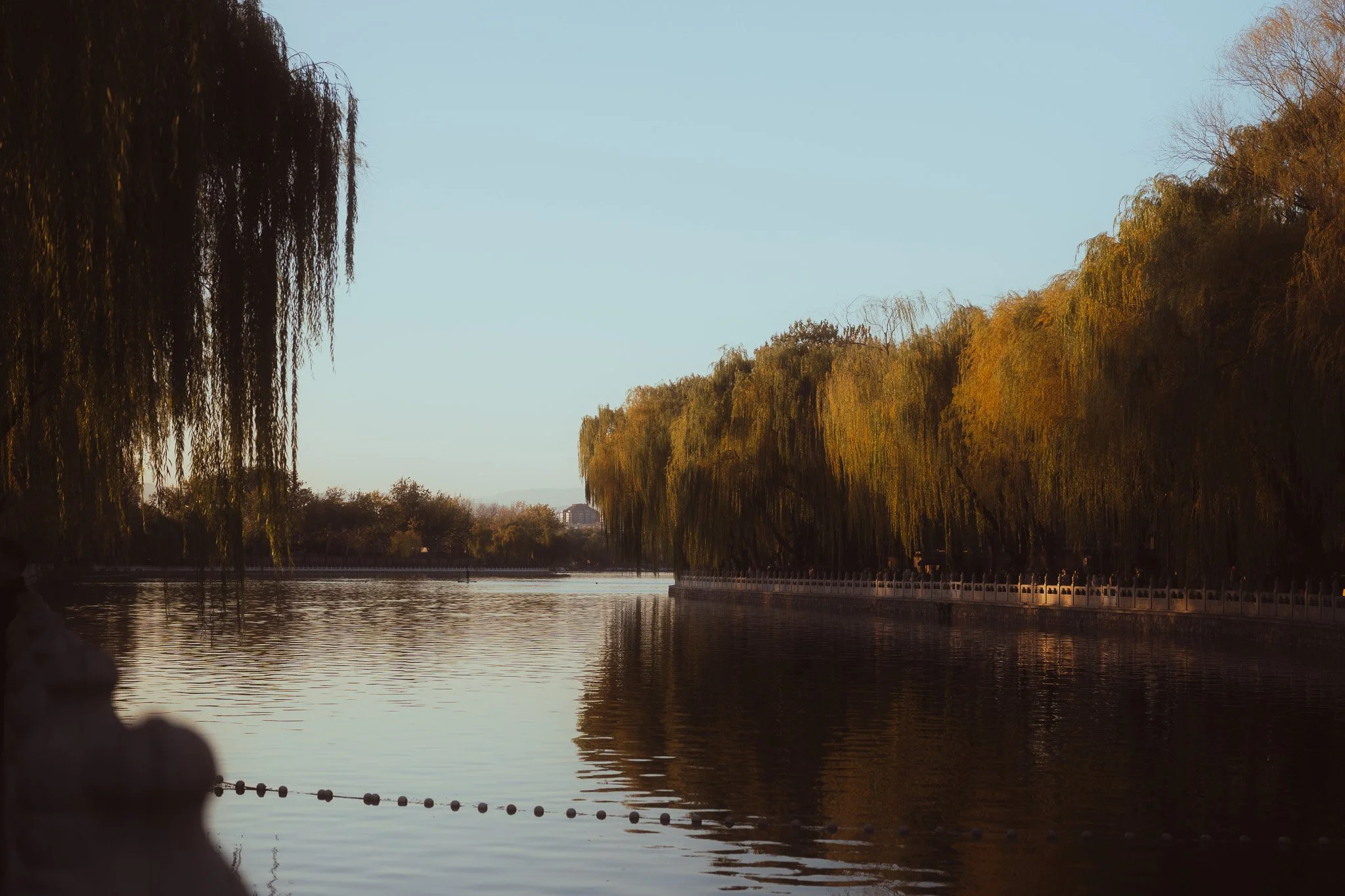
There's no pressure to come back with anything portfolio-worthy. The walk is about practice. It's about training my eyes to see compositions in the world again. Sometimes a simple constraint helps: only shadows today, or only the color red, or only reflections. Other mornings, wandering with no plan at all is the whole point.
Why It Matters
This short walk does two things. First, it acts as a mental reset before the workday begins. Thirty minutes of observation and presence makes the transition into meetings and deadlines feel less jarring. Second, it guarantees something creative happens every day, even if it's small.
The morning walk isn't about producing great work. It's about keeping the creative pilot light on so it's ready when the conditions are right.
Part 2: The Lunch Break Curation
The biggest bottleneck in most photography routines is the backlog — hundreds of unculled photos sitting on a memory card, growing more overwhelming by the day. This part of the routine is designed to prevent that pile-up entirely.
How It Works
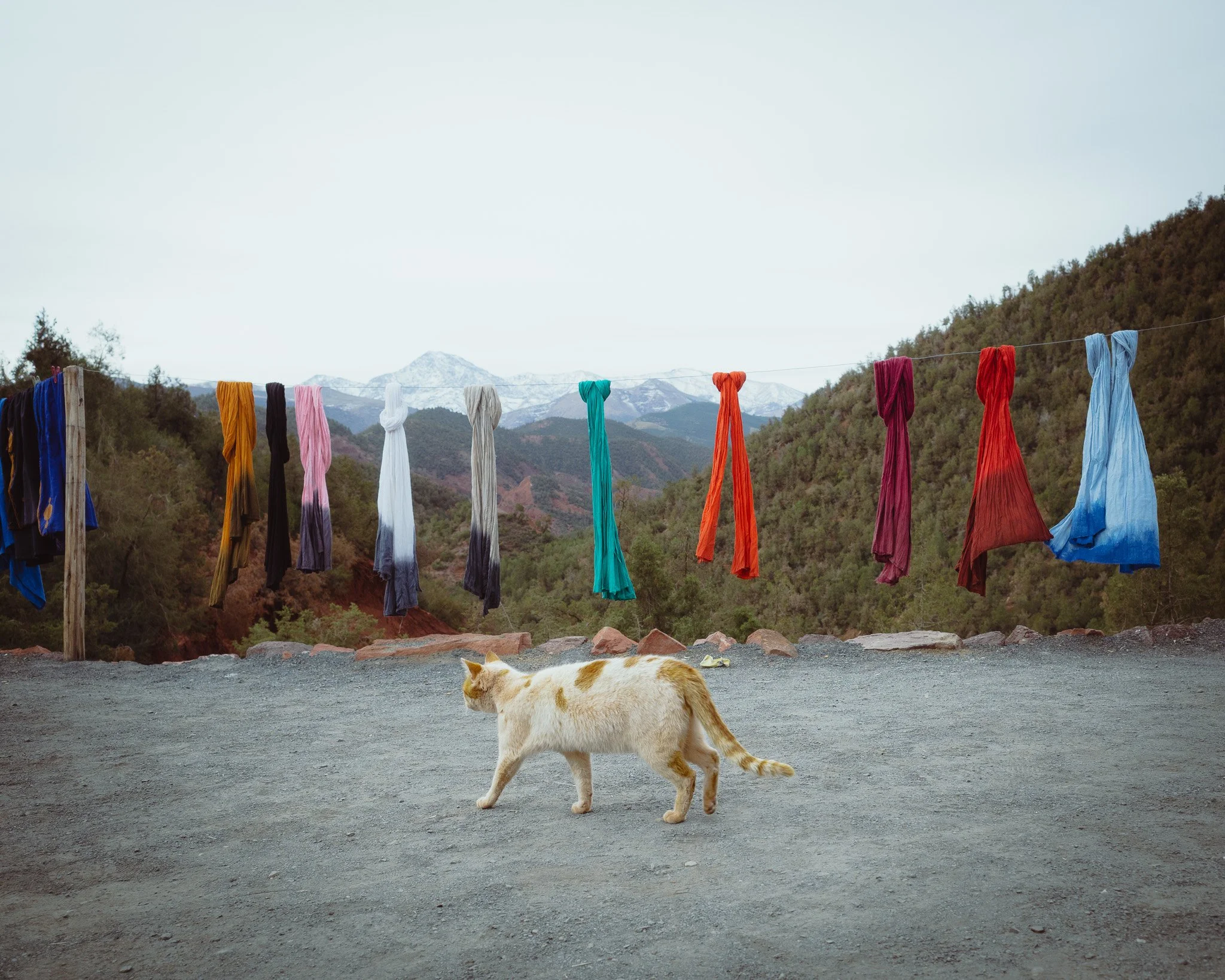
Sometime during the workday — maybe an actual lunch break, or a fifteen-minute gap between meetings — I do a quick curation pass. Using Lightroom Mobile, I scroll through the morning walk photos (which have already synced from the camera) and give a star rating to three to five favorites. That's it.
No pixel-peeping. No heavy editing. No agonizing. Just a quick, gut-instinct call on what catches my eye. The whole thing takes less than fifteen minutes.
Why It Matters
By making these small curation decisions every day, I avoid the dreaded evening session where I'm facing a week's worth of unprocessed images. Instead of one giant, paralyzing decision, I make small, satisfying ones throughout the week.
By the time the weekend arrives, the selection is already ninety percent done.
Part 3: The Weekend Session
This is where everything comes together. Weekends are for the deeper creative work — but still structured. The goal is a single, focused two-hour session. Not an entire Saturday. Just a sprint.
The Editing Session
When I open the laptop, the fifteen to twenty-five photos starred during the week are already waiting. The selection is done. Now I can enjoy the best part: editing. Playing with color grading, tweaking compositions, polishing a handful of chosen images. This is the creative reward for the week's small daily investments.
A Note on Admin
The most tedious part of photography isn't the editing — it's everything that comes after: captioning, updating a posting calendar, organizing files. I've automated most of this. It saves real time and keeps the weekend session feeling creative rather than administrative.
Gear mentioned in this post:Fujifilm X100VI — the compact camera I use in this routine.
Some links here are Amazon affiliate links. If you buy through one, I get a small cut at no extra cost to you.
What Changes When It Works
Putting this routine in place changes the relationship with photography in ways that go beyond just posting more.
The Practical Results
Output goes up. I've posted more in a single quarter than in the entire previous year. And what I'm posting is work I'm proud of — not rushed content pushed out to maintain a streak.
The Less Visible Results
The morning walk has a ripple effect on the rest of the day. I feel more observant, more grounded, more present. And the creativity from photography starts feeding back into everything else. Instead of competing for energy, the two sides reinforce each other.
The guilt about not creating disappears. The camera stops being a monument to a neglected hobby and becomes a tool I use regularly.
Two Limits That Keep It Sustainable
This routine only works if it respects the constraints it was built around. Two rules keep it from falling apart.
The time cap. The morning walk, camera to door and back, stays under forty-five minutes. If a morning runs long, curation moves to the next gap in the day.
The energy cap. No editing after 8 PM. Evenings are for rest, not squeezing out one more round of color grading. Protecting recovery time is what makes the routine repeatable.
The routine works because it has limits. Treating those limits as features rather than constraints is what separates something sustainable from another ambitious plan that burns out after two weeks.
Getting Started
You don't need to adopt all three parts at once. The morning walk is the foundation. Try it for one week — even two or three mornings is enough to feel the difference.
Once the walk is a habit, add the lunch curation. Once that feels natural, set up the weekend session.
The whole point is that this meets you where you are. It's not about adding pressure to an already full life. It's about building a rhythm that makes photographing easy, even when time is short.
If you want to keep thinking about photography this way, I write a newsletter called Still Shooting — one honest letter a month, no hype → stillshooting.beehiiv.com
If getting out to photograph in public feels uncomfortable or anxiety-inducing, that's worth addressing separately. It's one of the most common barriers for hobbyist photographers — I covered practical ways to work through it in this post.
I'm Cesar, I take photos around a day job.
