Is the Fujifilm X100VI Worth It in 2026? What I Gave Up When I Sold My Sony
In April I said that maybe in six months I'd check again, and that I'd probably be back on my Sony for everything. That isn't what happened. After months of taking photos around a day job and bringing only the Fujifilm X100VI on trips, I sold the Sony a6700. So the question I keep getting is the obvious one: is the X100VI worth it in 2026?
For me, yes. The Sony had better autofocus and better video, and I won't pretend otherwise. But the Fuji is the camera I kept reaching for. Before you spend close to $2,000 on one, here is what I gave up when I let the Sony go, what I still miss, and the complaints from reviews that never bothered me.
Why I sold the Sony (it wasn't for the Fuji)
I didn't sell the a6700 to commit to the X100VI. I sold it because I wanted to upgrade. I was looking at newer technology and I'd been thinking about full frame for a while. Somewhere in that process, right after the Sony was gone, I thought: why don't I just use the Fuji for now and see how it goes.
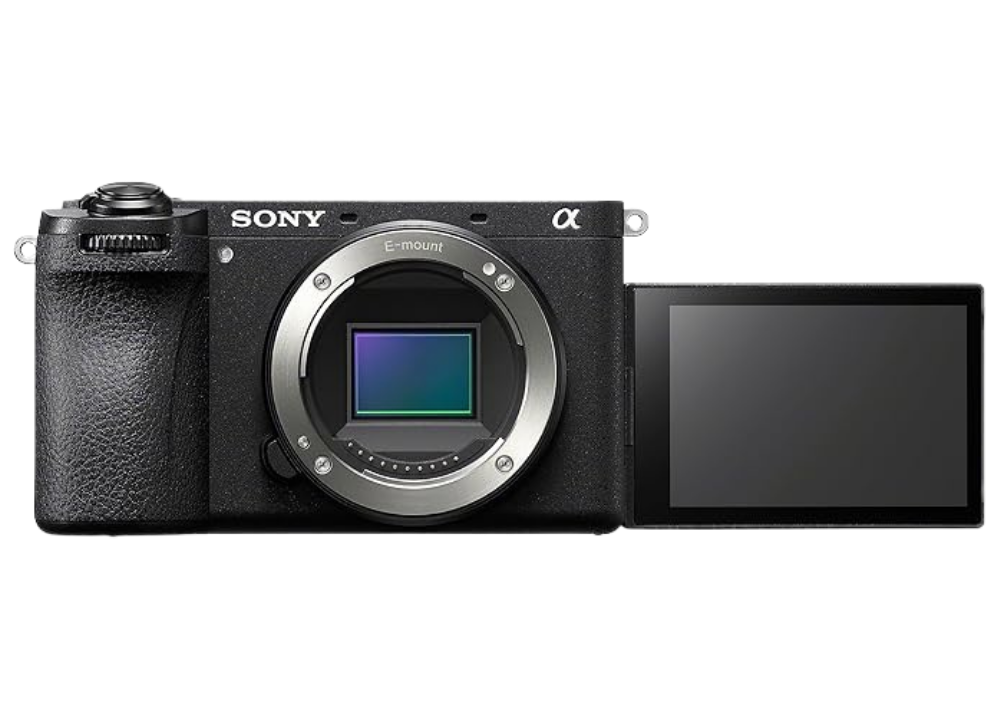
So I did, and it was more interesting than I expected. The Fuji isn't perfect. It's better than the Sony at some things and worse at others. What it removed was a kind of decision fatigue. I stopped asking which camera to take, and I stopped asking which lens to put on it, because the X100VI has a fixed lens. It's a 23mm, which is 35mm in full-frame terms, and it's always the same.
That sounds limiting, and in one way it is. But the sensor is 40 megapixels, so cropping gives me a lot of room. On a smaller APS-C file like the Sony's, cropping in costs you more. On the X100VI I can crop and still get a file I'm happy with.
I wrote about the full-frame decision that started all this in [Read: Full Frame vs APS-C: I Almost Sold My A6700 to Upgrade. Here's What Stopped Me.]
Is the X100VI still worth it in 2026?
It isn't new. It came out about two and a half years ago, and it's still everywhere: people talking about it, using it, posting photos from it. Popularity shouldn't decide anything for you, but it does tell you something about the market.
If you're the kind of person who waits for the next model, here's where things stand: no successor has been announced. That makes some sense to me. If your camera is still selling well, announcing a replacement is the fastest way to stop those sales. My guess is Fujifilm will announce something once demand slows down, and so far it hasn't.
That demand shows in the price. Depending on where you live, it's around $2,000, for a fixed-lens camera that is two and a half years old. That's a lot of money, and you should take it seriously. The price hasn't come down, and in some parts of the world the camera is still hard to find at all.
So the price is the price. Whether it's worth it depends on what you give up and whether you'll miss it, which is the rest of this post.
What I gave up: autofocus
This was the first thing I missed, right after selling the a6700. If you've researched Fujifilm cameras at all, not only the X100VI, you've heard it already: the autofocus isn't great. That's true. Next to the Sony it isn't good. I can't tell whether the Sony is so good that this one looks weak, or this one is simply weak, or both.
It isn't awful, though, and you can get used to it. After a few weeks of using only this camera, I got better at working with it. I tried zone focusing, manual focusing and every autofocus mode the camera offers. Trying them all is what taught me how this particular camera behaves, where it struggles and what to do instead. Practice is most of it.
I'm not going to cover for it. I'd love to see the kind of subject-tracking autofocus Sony and other brands have. The X100VI doesn't have it. I expected that to be the end of the world, and a few weeks in I realised it wasn't.
But autofocus is not the thing that worries me most about a job I have coming up.
What I gave up: video, wide angle, pocketability
Video. The X100VI can shoot video, and the footage is quite nice. What's missing are the features around it. If you shoot in log, you can't load your own LUT to preview the final look, so judging exposure is harder. And the screen doesn't flip around to face you, so you can't see yourself while you record. For someone who also makes videos, that's the gap I feel most.
The fixed 35mm view. You can crop in, and the camera has built-in crops that give you roughly 50mm and 70mm. That gets around the problem, but you lose resolution every time, so if you want to print very large, keep that in mind. And if you want wider than 35mm, there's nothing to crop to.
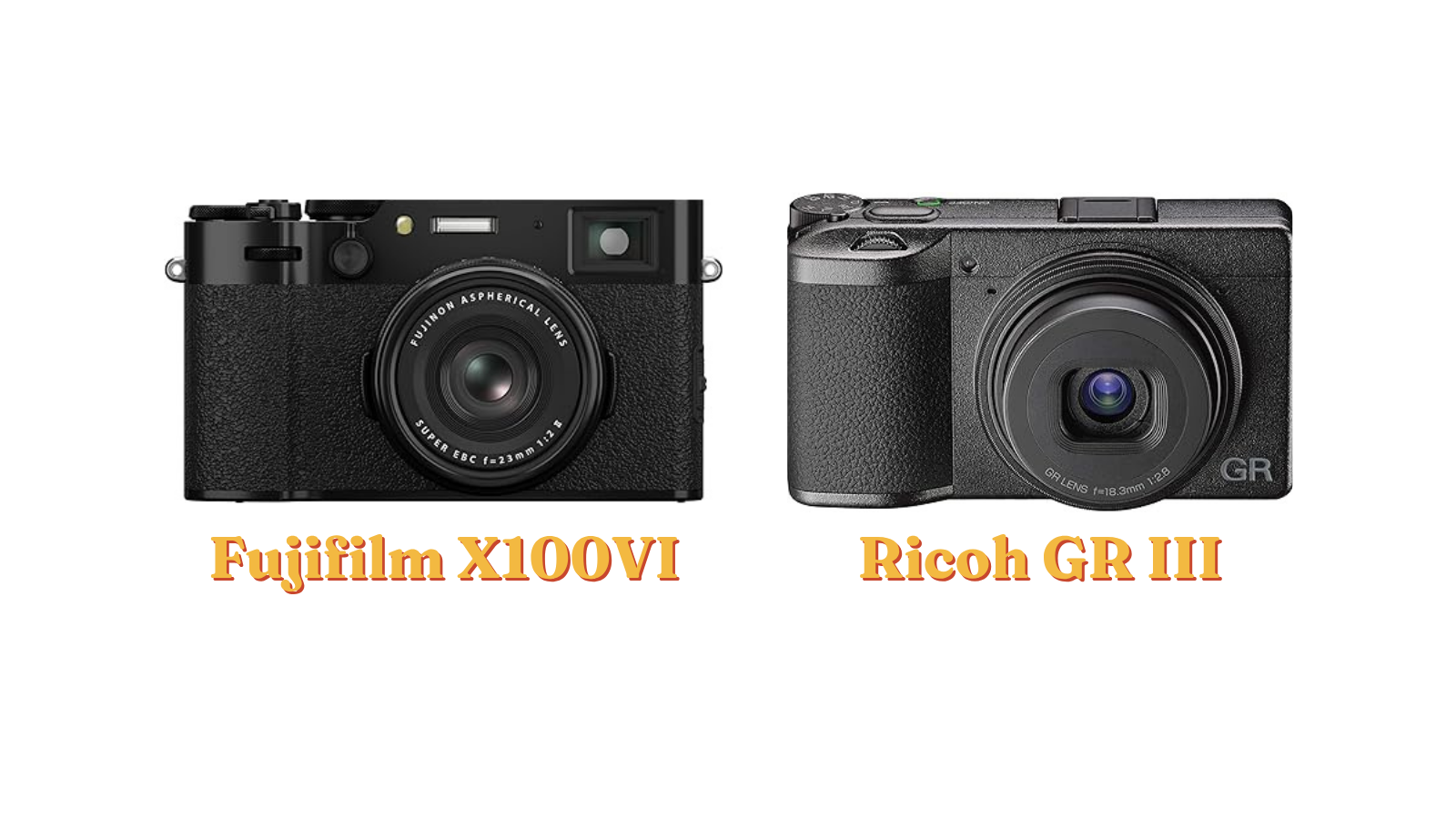
Pocketability. People still call the X100VI a pocket camera, less than they used to. It isn't one. If you've found a pocket it fits in and can still walk around normally without people laughing at you, please tell me where. A coat pocket, maybe. I call it a baggable camera. The Ricoh line, the Ricoh GR III and Ricoh GR IV, really do go in a pocket, and they make wonderful pictures. If pocket size is what you're after, the X100VI probably isn't for you.
I compared the two directly in [Read: Fujifilm X100VI vs Ricoh GR III]
What reviews complain about that never stopped me
Some things show up in nearly every review as problems. In my case they haven't been, though I did a couple of small things to make sure.
Battery life
Plenty of people say the battery is bad. I don't know what they're photographing, but for the street and travel photography I do, one battery lasts me about a day, sometimes a day and a half. On a three-day trip I carry three batteries and that's enough. I don't even pack a charger, which is a risk of its own, so I wouldn't copy that part. A spare battery kit like this llano set is what made the battery a non-issue for me.
Weather resistance
Out of the box, the X100VI isn't weather resistant. The reason is simple: when the lens focuses, its front moves a little, and that leaves a gap. Cover the gap and the problem mostly goes away. Fujifilm sells its own adapter ring and filter, and says that using the two together makes the camera weather resistant.
I went cheaper and put a K&F Concept UV filter on mine. That's why my lens looks slightly longer than a stock X100VI. Fujifilm's kit costs more, and so far I haven't seen a reason to think it seals the camera any better than a decent third-party filter. That's my experience, not a lab test.
More of the small things that made this camera work for travel are in [Read: 5 Upgrades That Actually Fixed the Fujifilm X100VI for Travel.]
Who the X100VI is actually for
In my day job as a product manager, there's one question I ask before anything else, whether it's a new feature or a whole product: who is this for? It's the most useful question I know for buying a camera too.
Look at the camera I sold. The a6700 isn't a professional camera, but it's built for fast action, video, events, and anything where you want to swap lenses for the job in front of you. It serves someone who needs to be ready for every kind of job.
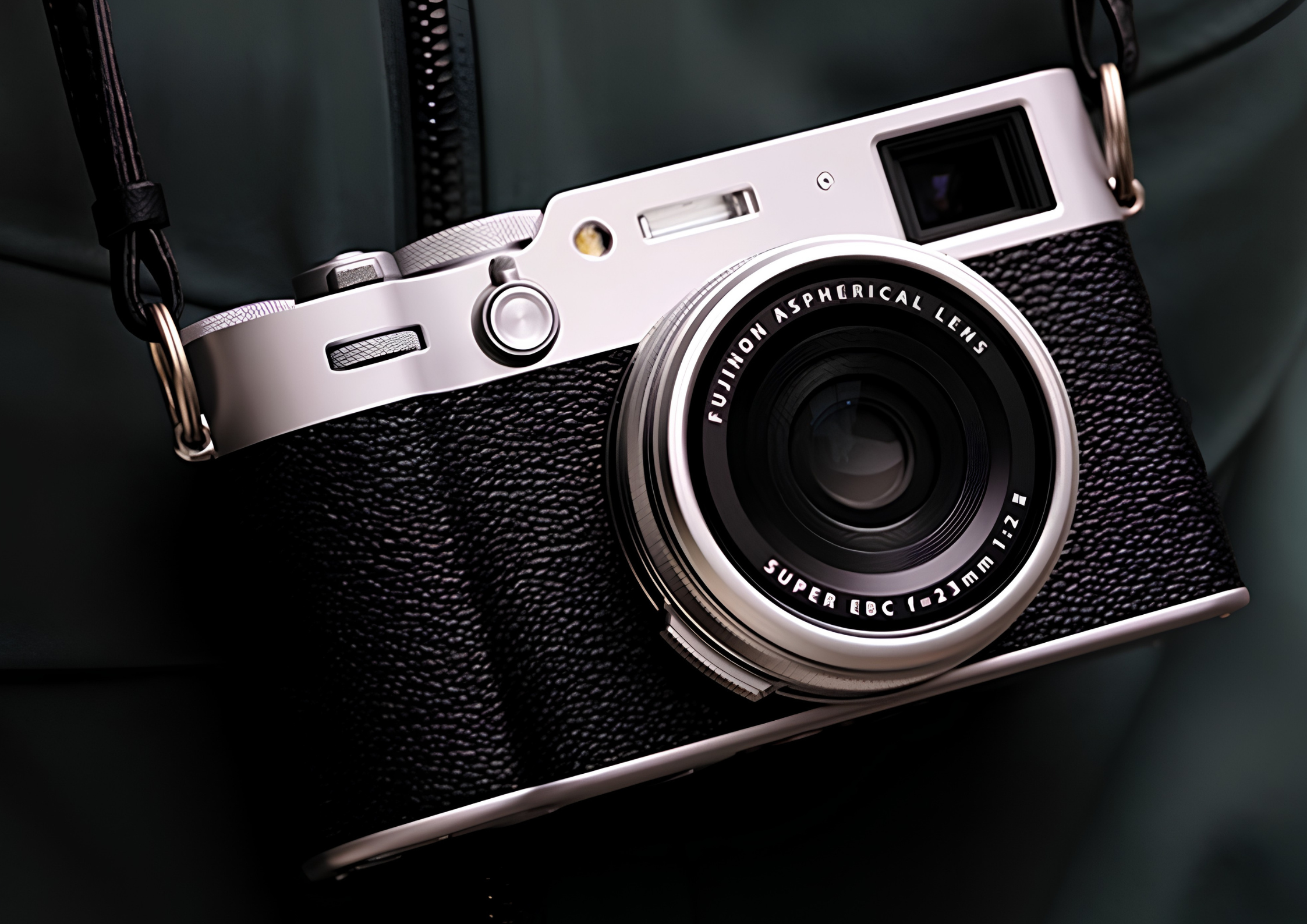
The Fujifilm X100VI serves someone else: a person who wants one camera they'll actually carry as much as possible. It isn't pocketable, but it can be your everyday camera, with a lot of resolution behind it.
There's one more thing I didn't mention in the video until late: the photos look good straight out of the camera. You can take the picture and get on with your day. That matters most when you're starting out and don't want to deal with editing yet, and maybe shouldn't. Go out, take photos, think about framing, and enjoy it.
Other cameras can do that job too, and that's a topic for another time. But if you're already drawn to Fujifilm, or you have another camera already, or you just don't want to think about the side work of photography (editing, changing lenses, everything around the photo itself), I think the X100VI is still worth it in 2026.
Once I was honest about which of those two people I am, the spec sheet stopped making the decision for me.
If you're shy about photographing in public
If you're an introvert, new to street photography, or unsure how to do it with people around, the hard part usually isn't the camera. People notice you, they look, and once in a while someone asks what you're doing.
So I made a small free cheat sheet for setting up the X100VI to be less noticeable: quieter, a bit more discreet, so you can enjoy photographing without that worry. It's written for this camera, but most of it works on others too. It's on Gumroad with a pay-what-you-want price, and you can enter zero: The Introvert's X100VI Setup Cheat Sheet.
So, is it worth it?
If you take photos in whatever time you have and want a camera that comes along every time, yes. That's how it worked out for me, and I sold the more capable camera to find out.
If you need serious video, wide angles or fast action, probably not. Be honest about which person you are before you spend the money.
If you want more like this, Still Shooting is my monthly letter about photography around a real life. One letter a month, no hype: stillshooting.beehiiv.com.
[PM LENS: who the primary user is. The a6700 serves someone who needs every job covered, the X100VI serves someone who wants the camera they will carry, and deciding which one you are settles the purchase.]
